After 5,000 miles of fresh water travel on lakes and rivers, we returned to the sea with tides and salt water. The end of our journey was in sight and we only had to cross the panhandle of Florida and cross the Gulf of Mexico to finish; 460 nautical miles. The first part, from Mobile to Apalachicola, was placid and the second part, across the gulf, was definitely not!
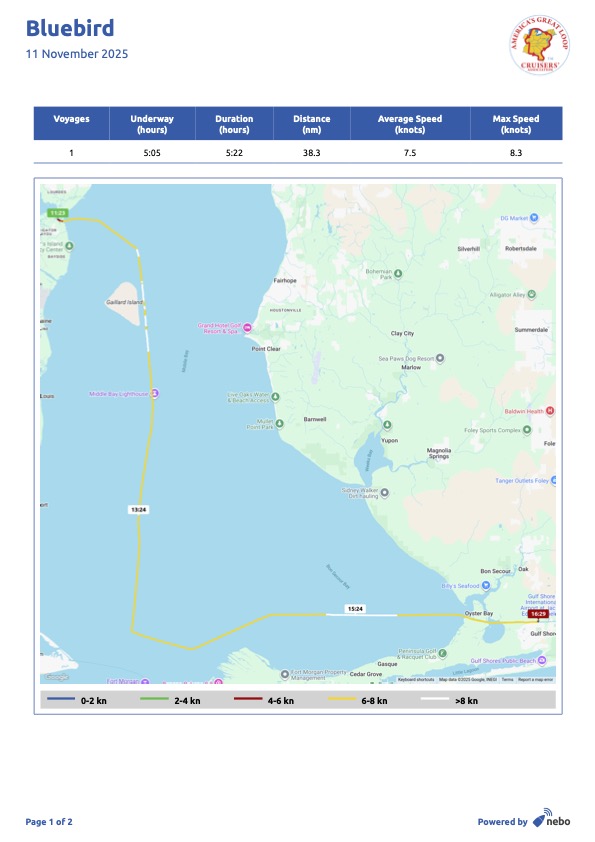
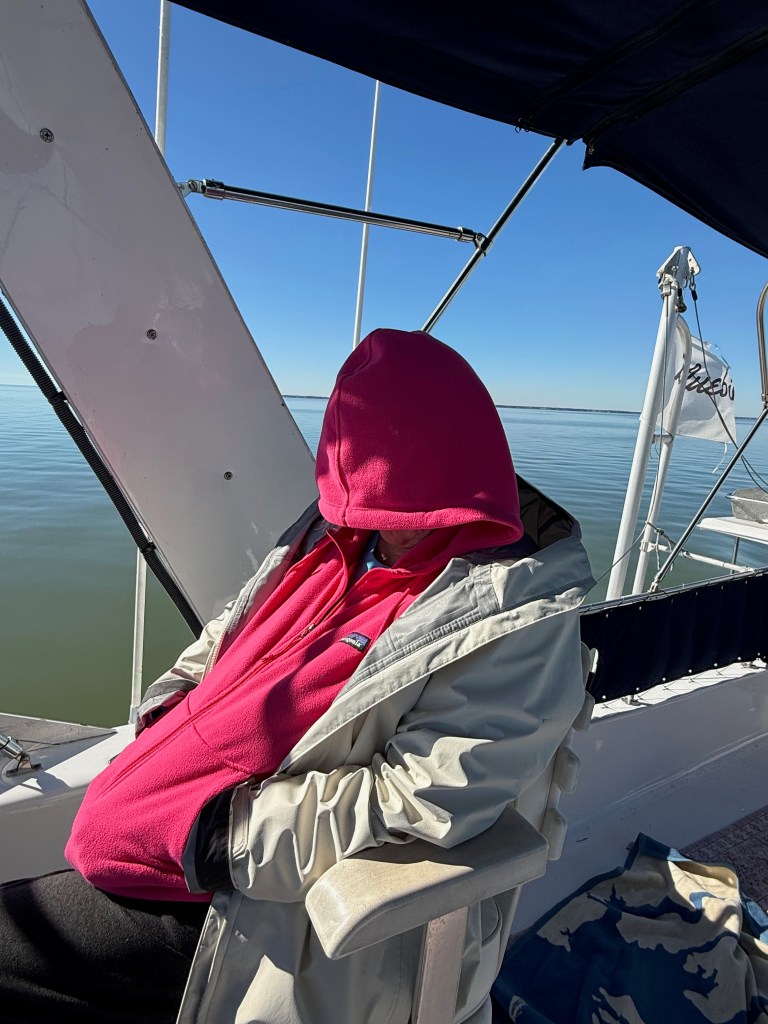
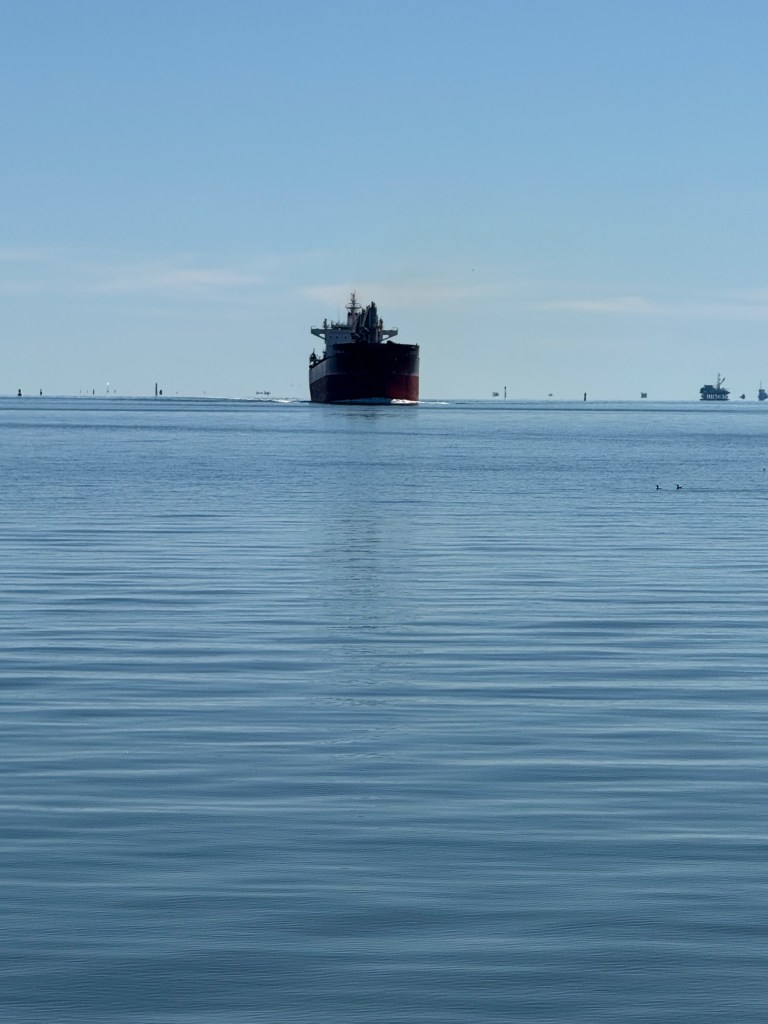
This was our last day in Alabama and our first full day in salt water. The tidal current had been a little strong at the Dog Island marinas south of Mobile and we made our way out through the narrow channel to the main ships channel from the Gulf to Mobile. At another time, we might have cut corners and gone straight across the flats, but after our near-death experience on the Tombigbee River, we were not feeling like taking any chances. So we had a leisurely passage out to the barrier islands and then turned east for the first time to the Gulf Inland Waterway to Gulf Shores, less than 40 miles away.

We stopped at Legendary Marina in Gulf Shores, just west of the slightly-silted-in marina where Lulu’s Restaurant is featured. Lulu is the sister of the late Jimmy Buffet and the restaurant has a parrot-head vibe and great food. We had dinner with our friends from Lake Effect, Heidi-Ho, and Pelican and exchanged stories and plans for the next stages. We shared a plateful of fried okra in addition to our entrees and laughed in the warm evening.
It was nice to be back in a more populated region and on the coast again. We could sense our Florida home nearby and a certain tension began to ease.
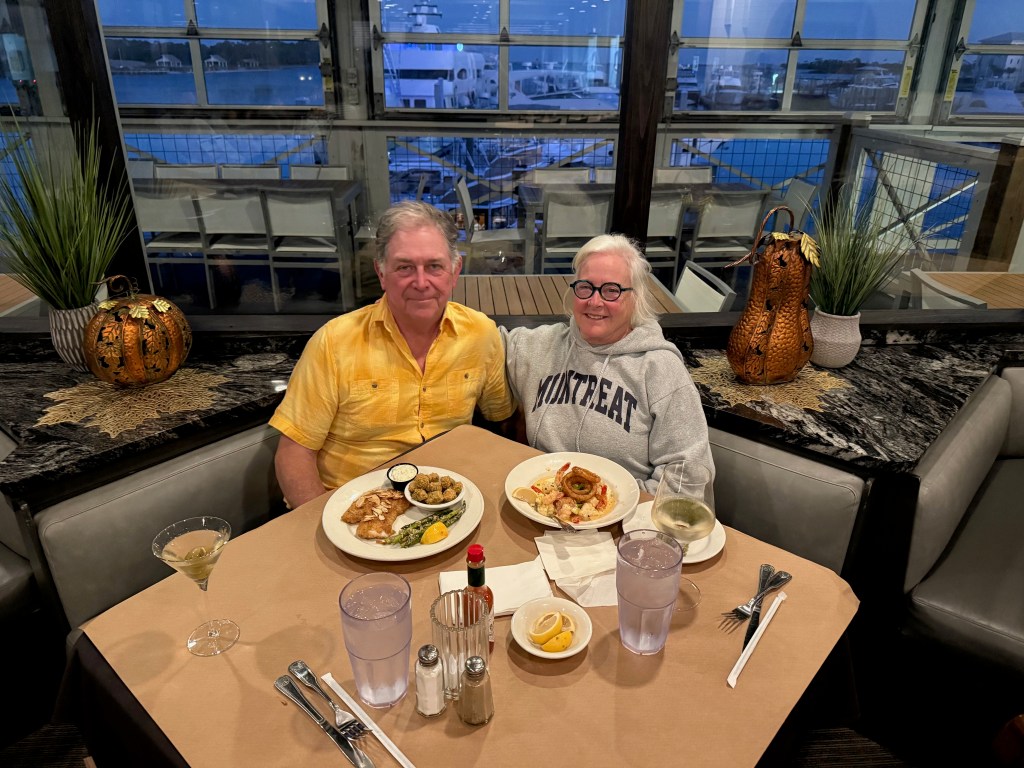
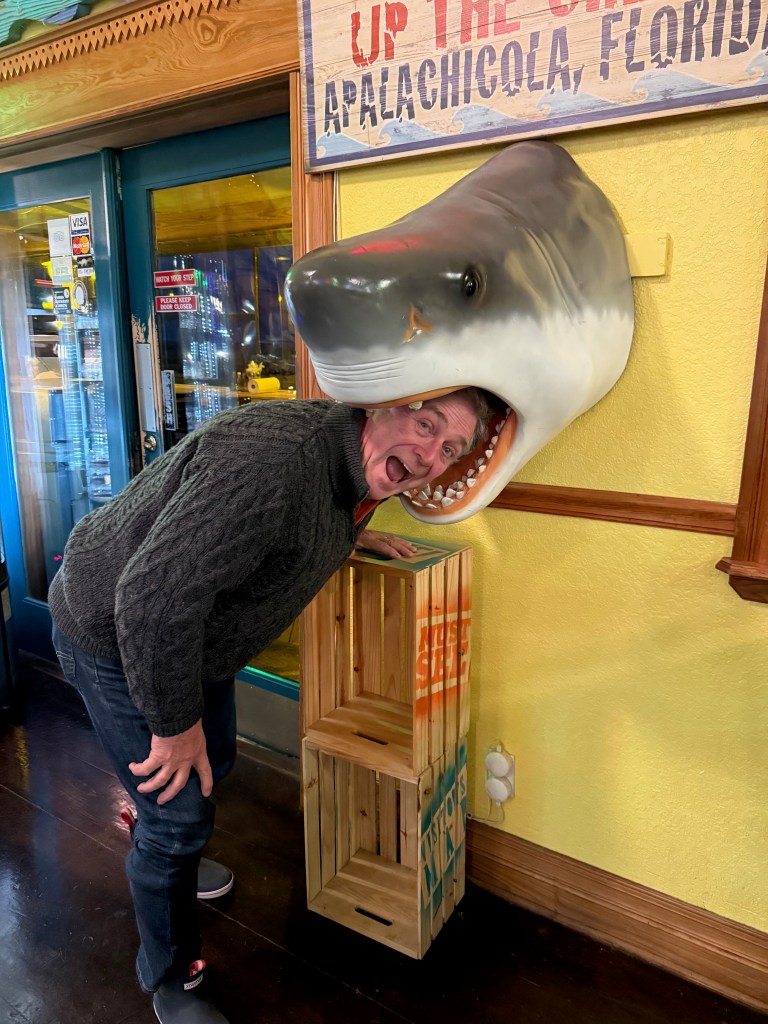
We have number of these fun photo strips from the Cornerstone Events sponsored by the Chesapeake Outward Bound School in Baltimore, one special one with Hervey’s mother in the frame, and it was fun to add one more to the collection.
Florida tomorrow! Our first and last state of the 17 states and one Canadian province we touched. And our last lock of 100 has faded to a distant memory, remembered now with pride at the accomplishment rather than trepidation.
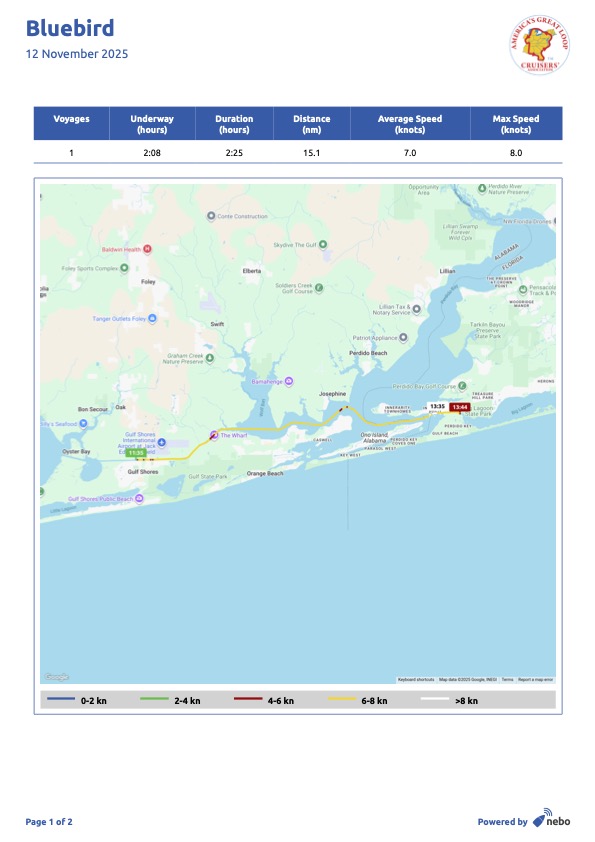
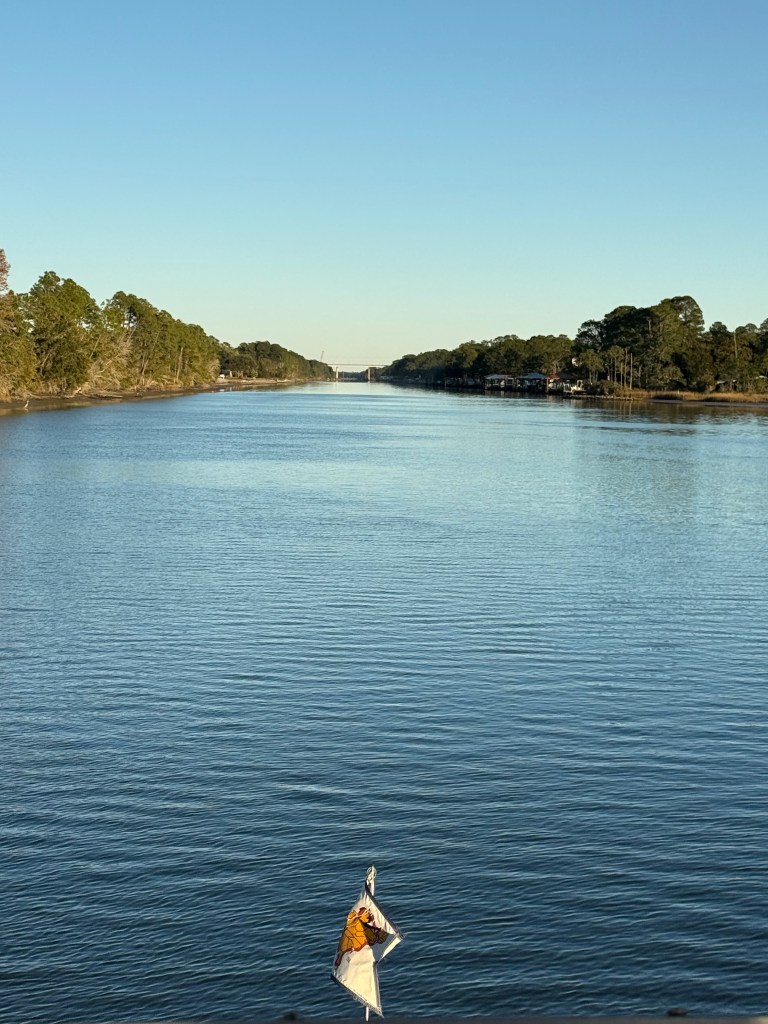
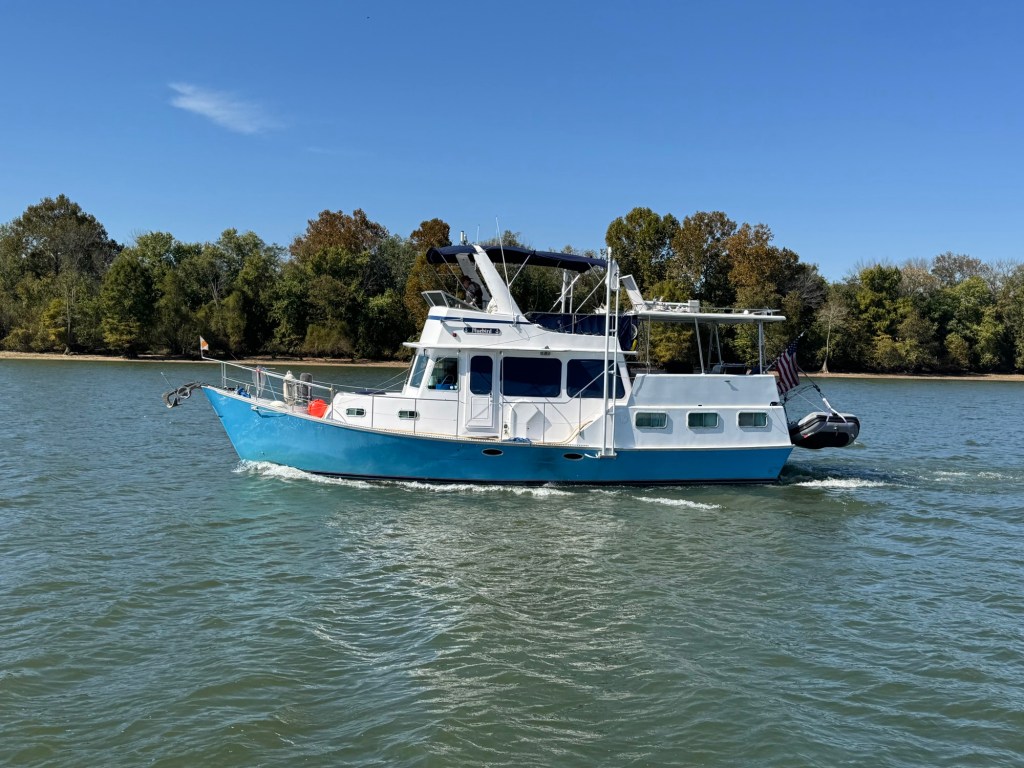
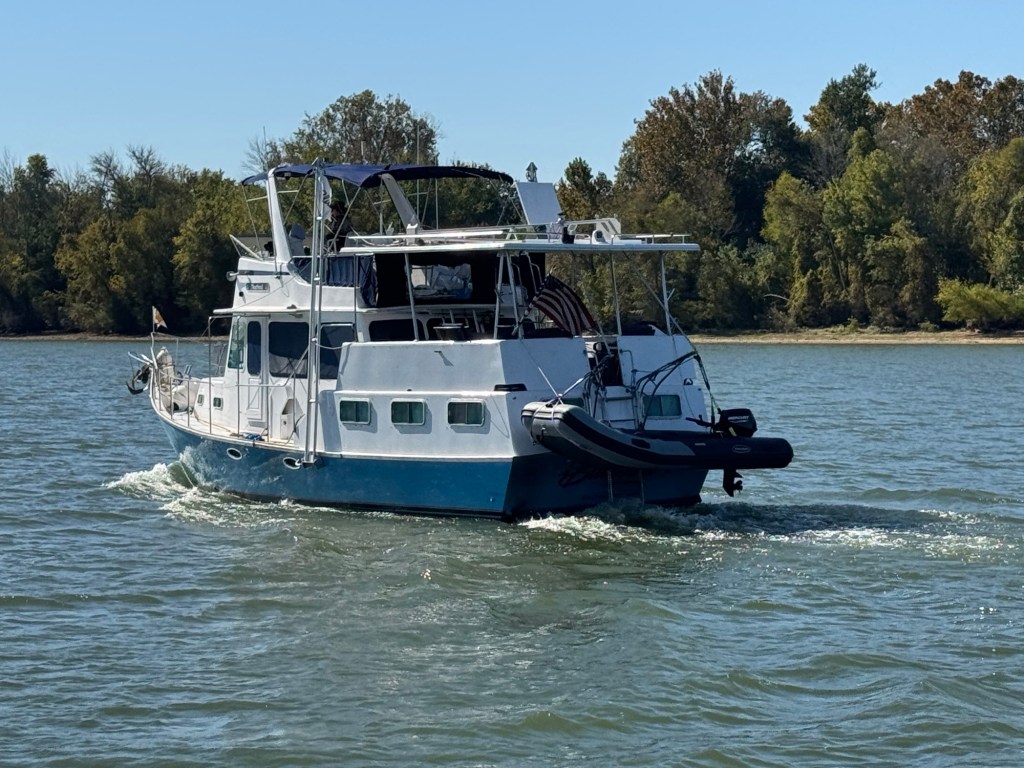
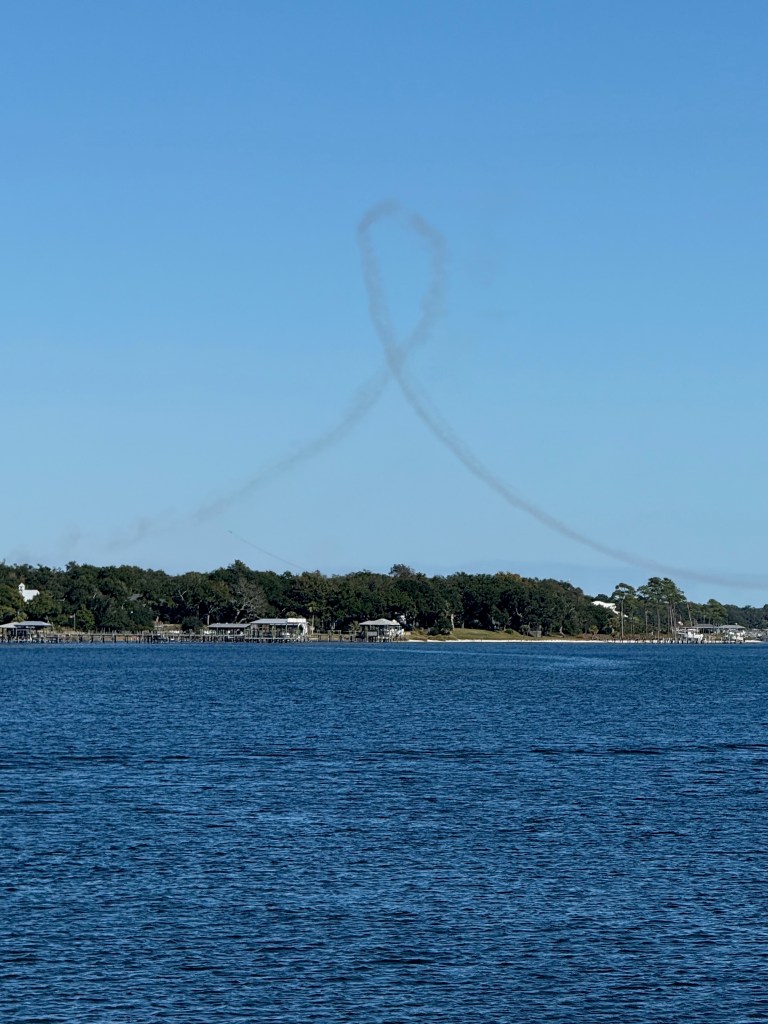
We decided to embrace the short-day approach of some fellow loopers and only went 1bout 15 miles today. We left our marina with little regard for the time and selected our destination based upon the name alone (Oysters!). It was a nice cruise today and the weather was perfect. This was our crossing into Florida and we were getting close to Pensacola where Hervey’s ex-father-in-law had been repeatedly busted from sergeant to corporal for standing up for his African-American soldiers in the US. Army Air Corps at the start of WWII. He later became a tail gunner, flew from Africa to Romania, and was wounded. Paul Glendon Gaffey was his name.
We were buzzed by this C-130 as the crew practiced repeated landings and take-offs at the Naval Air Station at Pensacola.
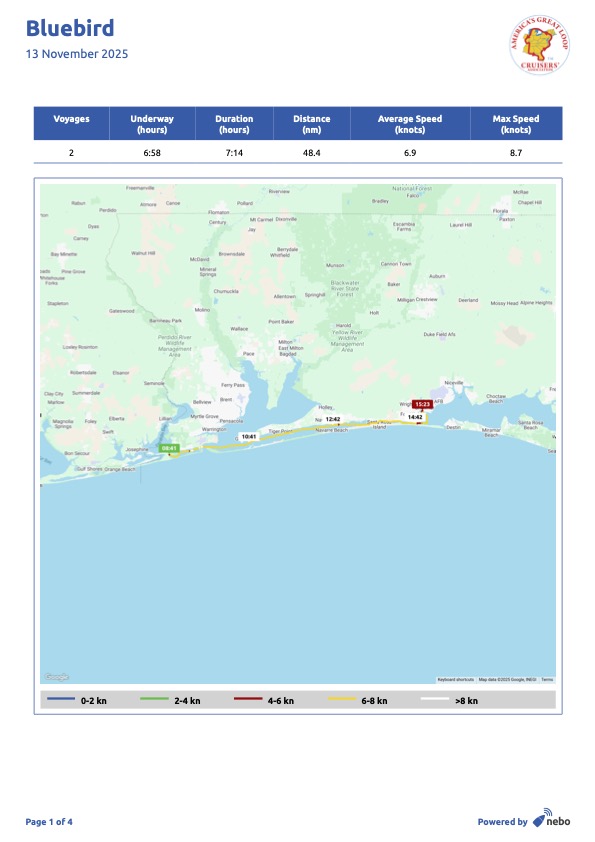
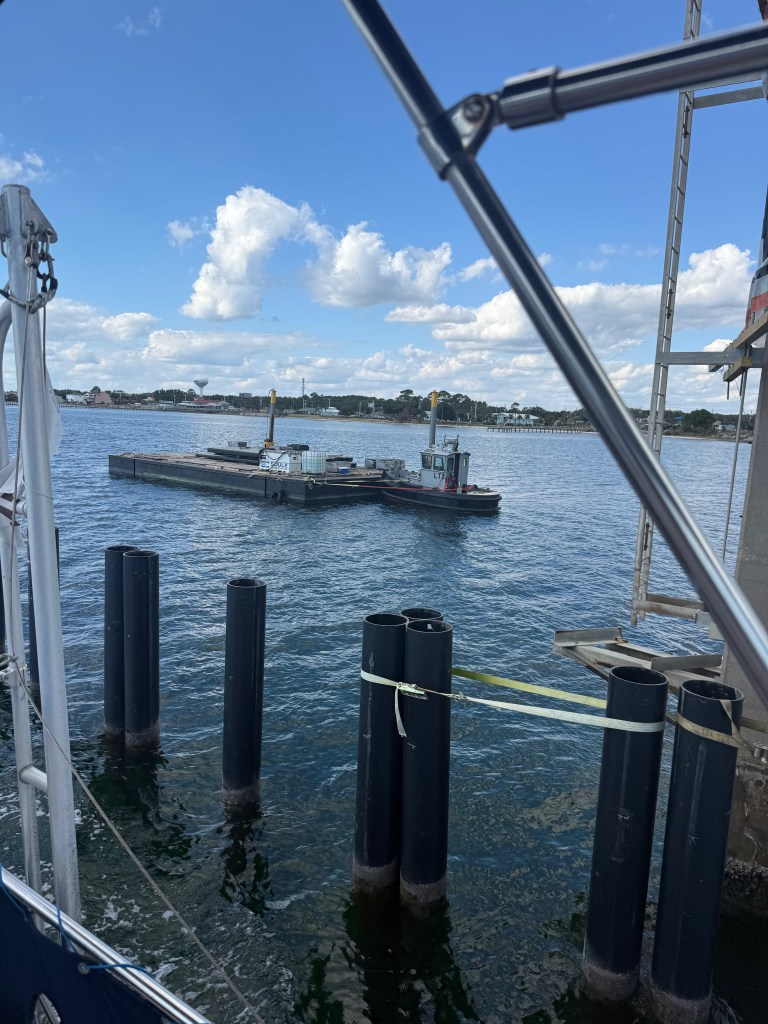
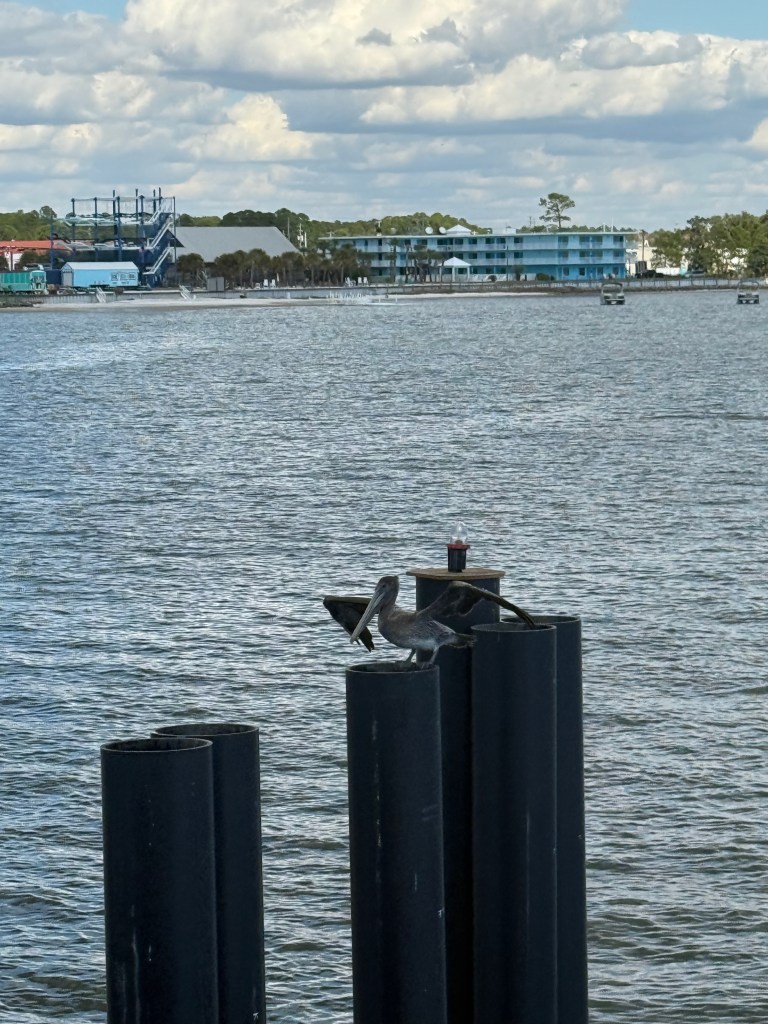
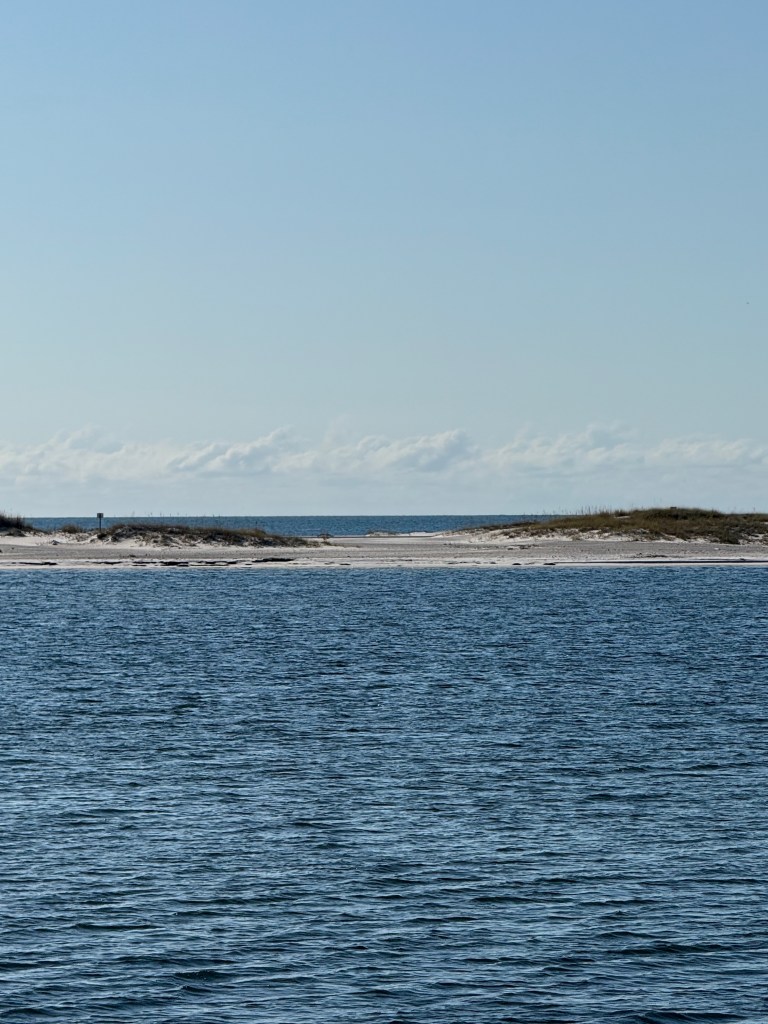
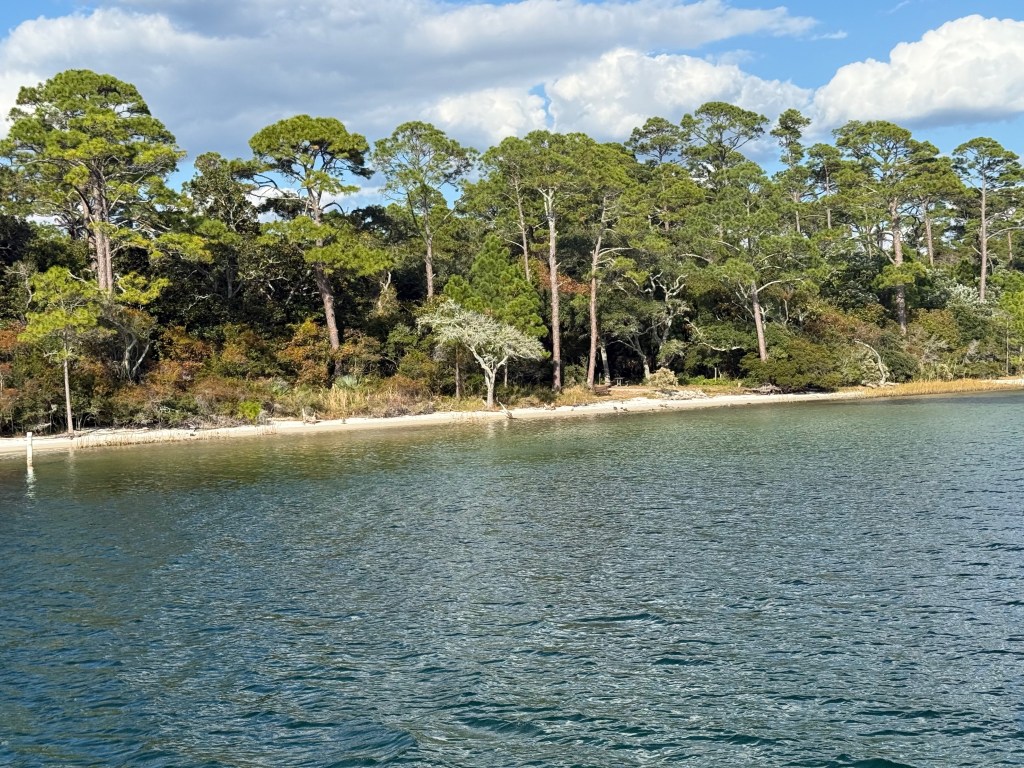
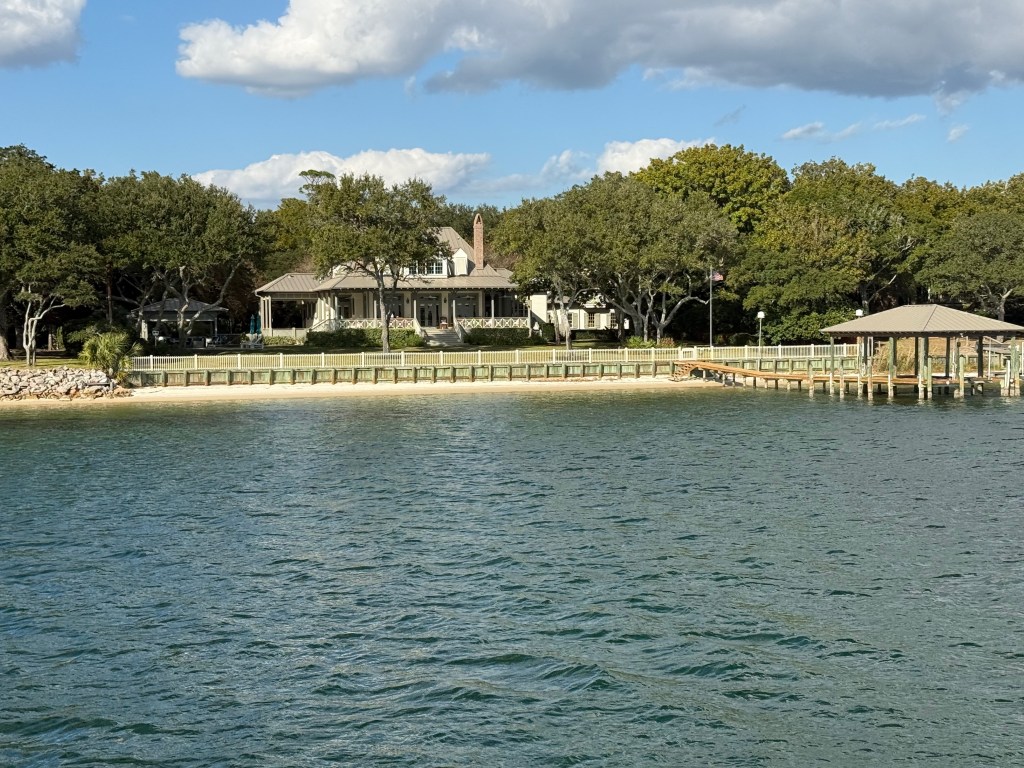
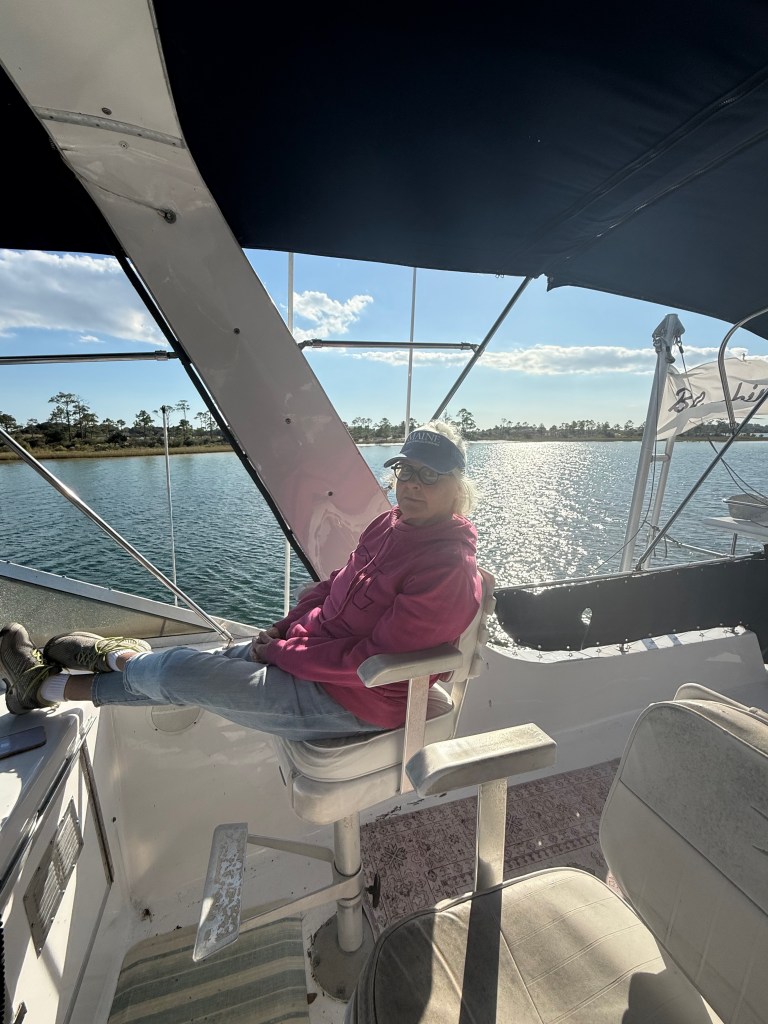
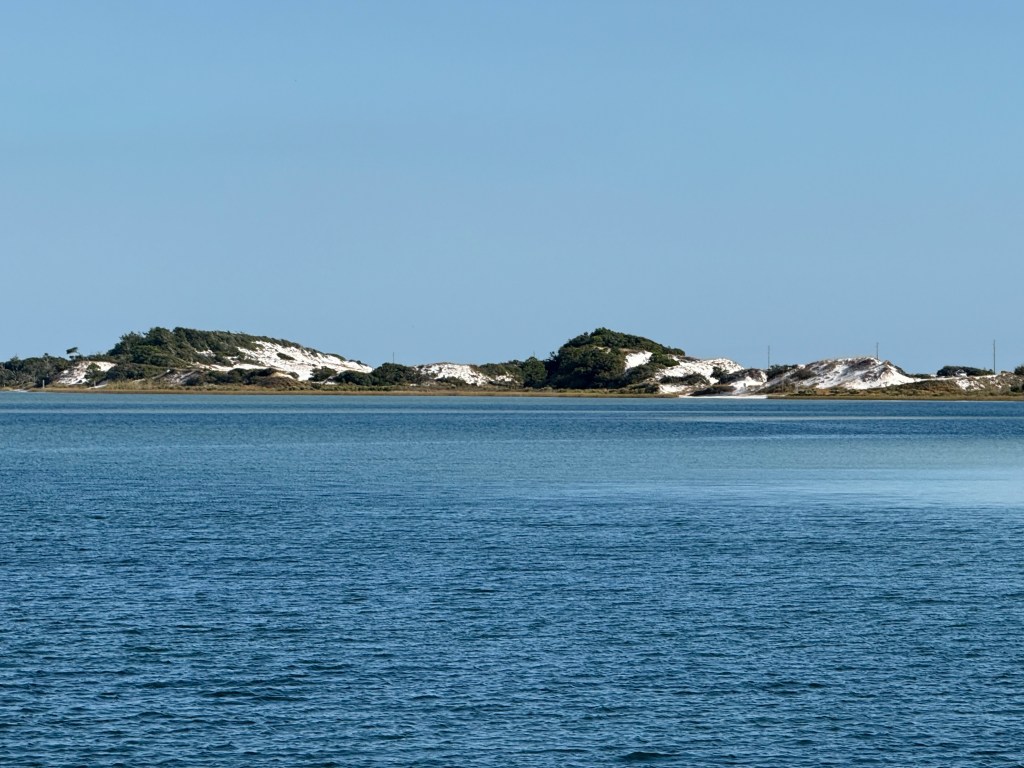
We cruised through the placid waters of the Intracoastal Waterway, in familiar patterns with a relatively narrow path (compared to the rivers and lakes). Houses on the shore and beaches attracted our attention as did the near-constant construction and dredging operations required to keep this tidal waterway open. This was relaxing cruising and we watched from the bridge as the barrier islands of the “Redneck Riviera” passed by.
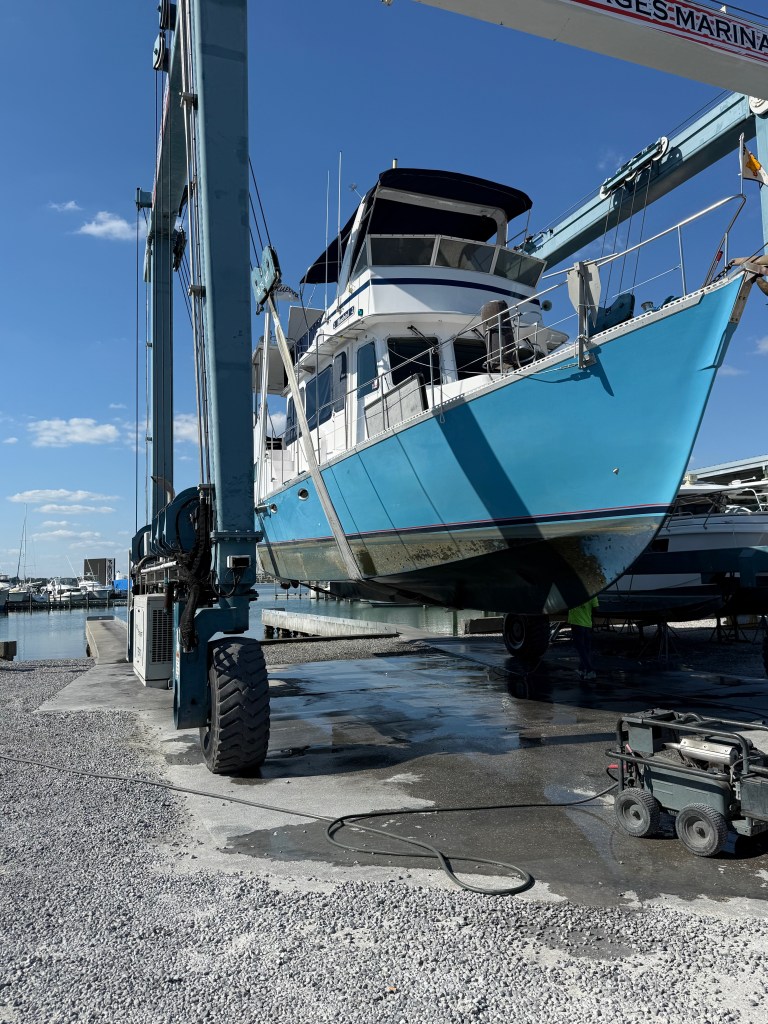
Shalimar, on Choctawatchee Bay, is inland of the famous beaches of Destin, Florida. We stayed two nights at Two Georges Marina and had the boat hauled out to change the props after the long and sometimes bumpy run down the rivers. We did some laundry and rested, eating on the boat and planning our next moves.
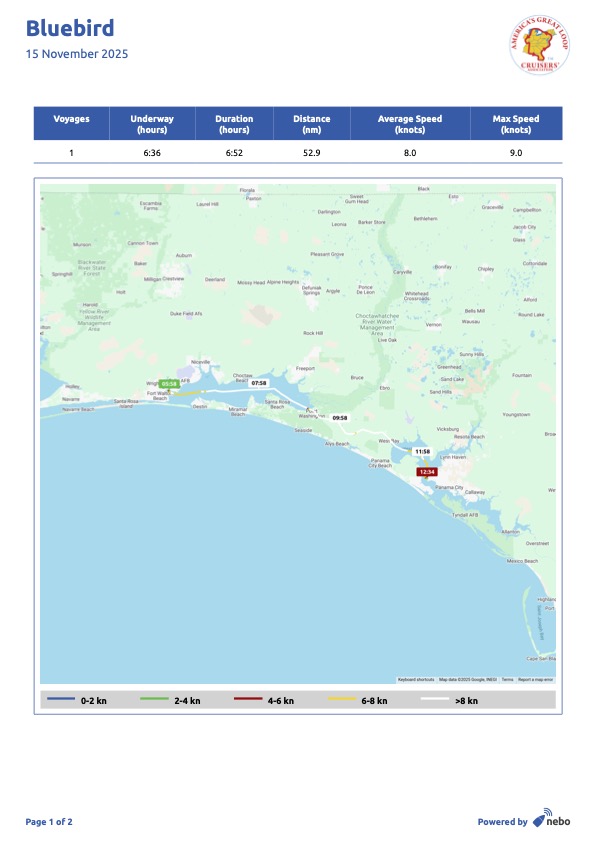
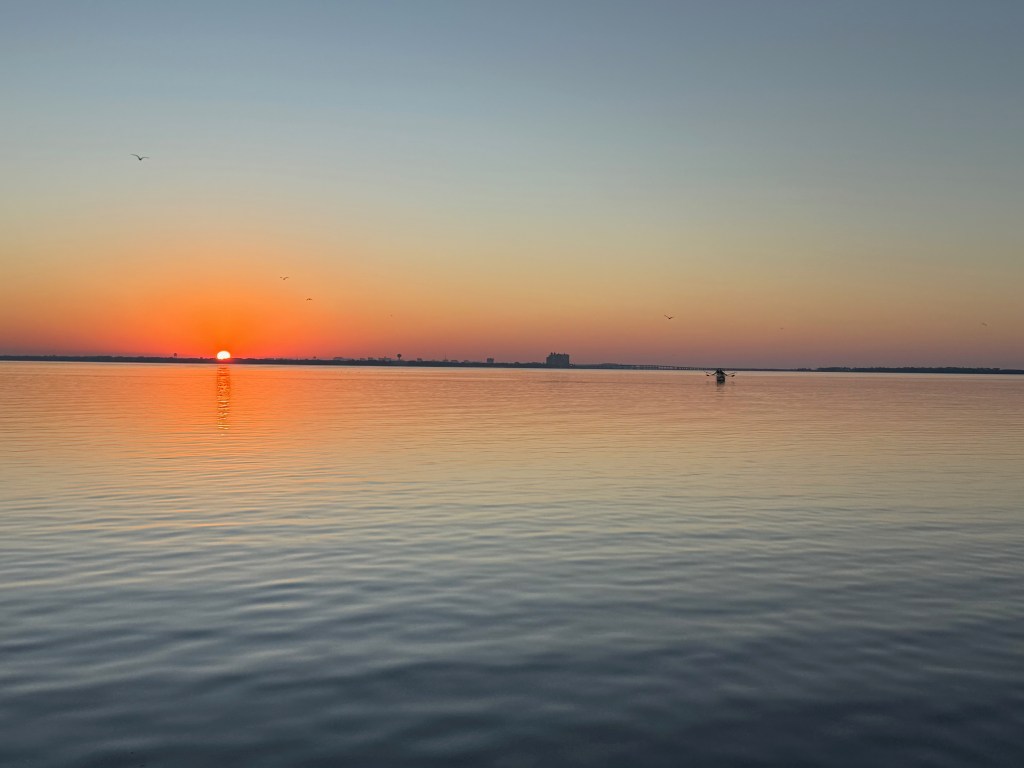
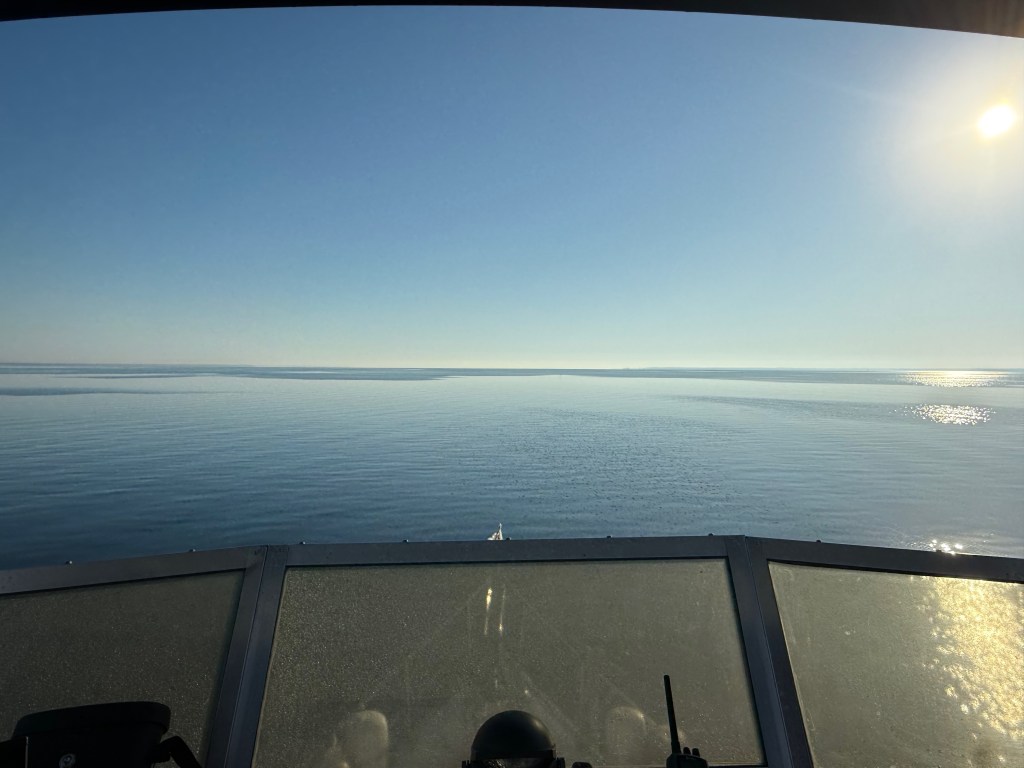
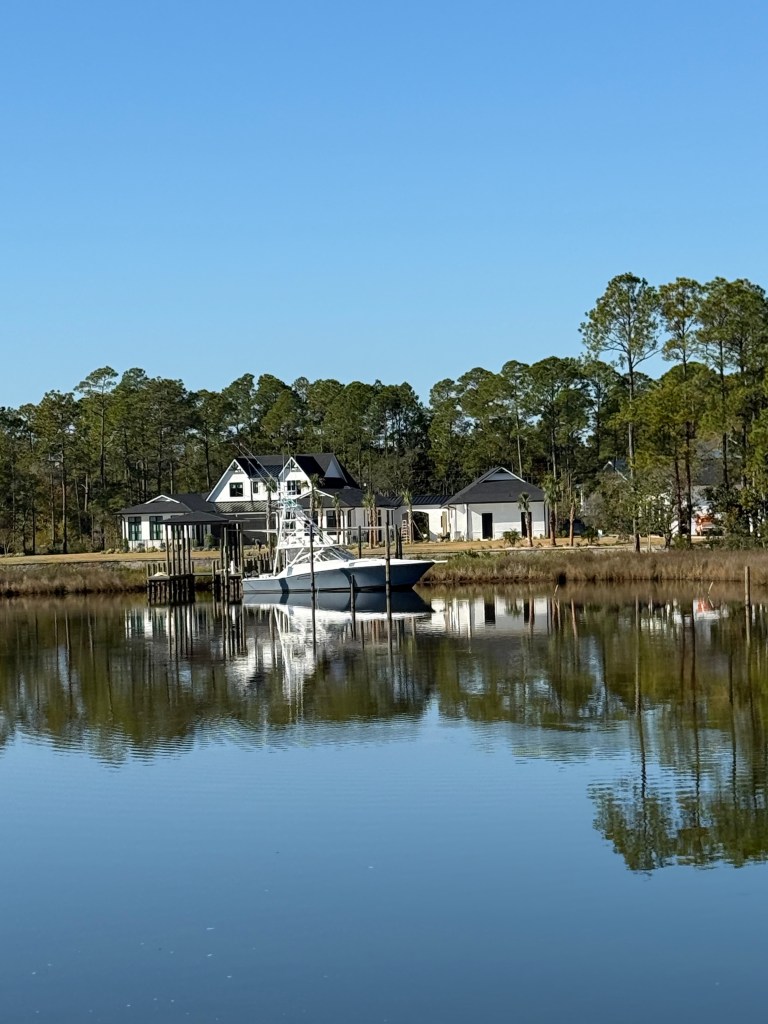
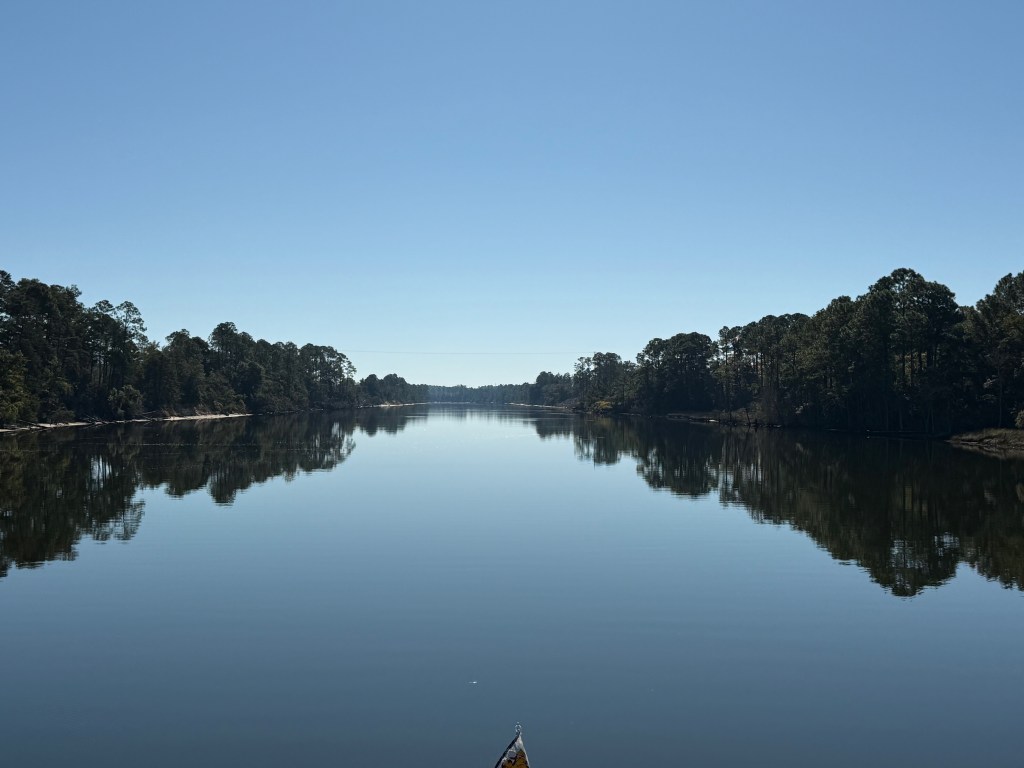
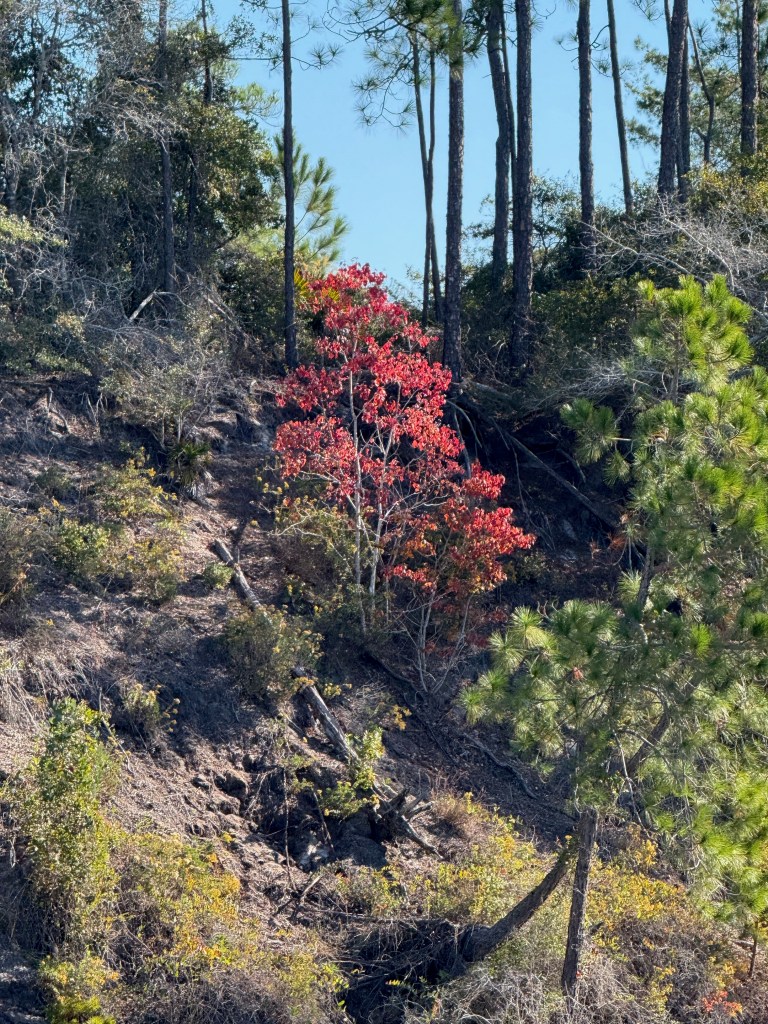
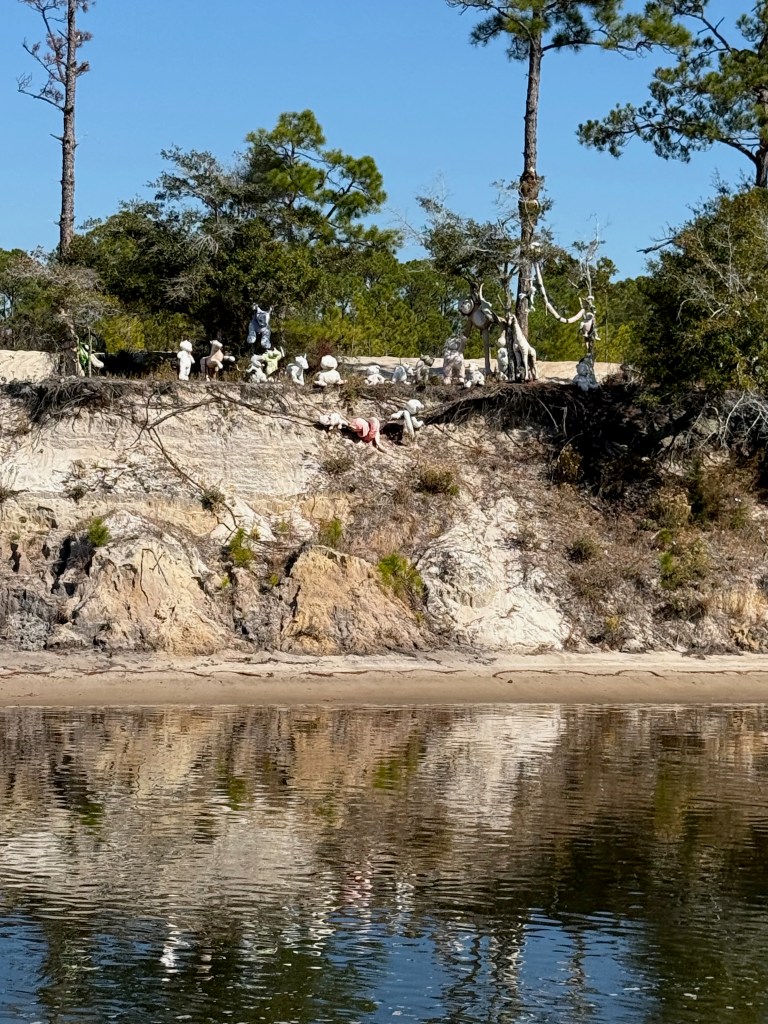

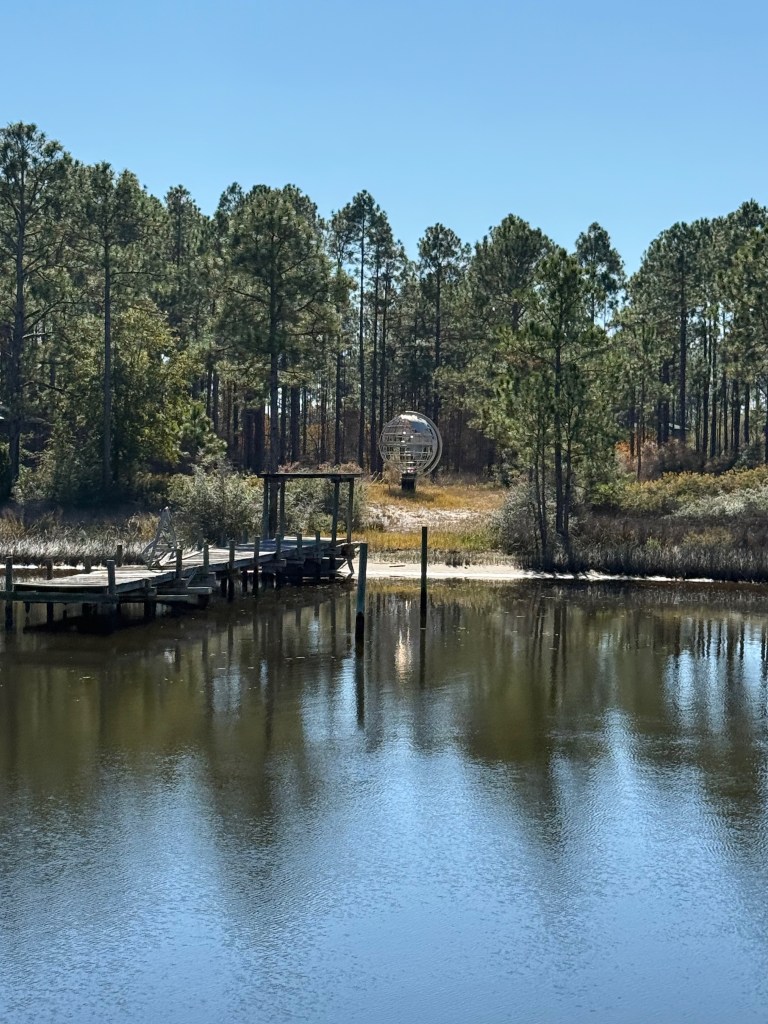
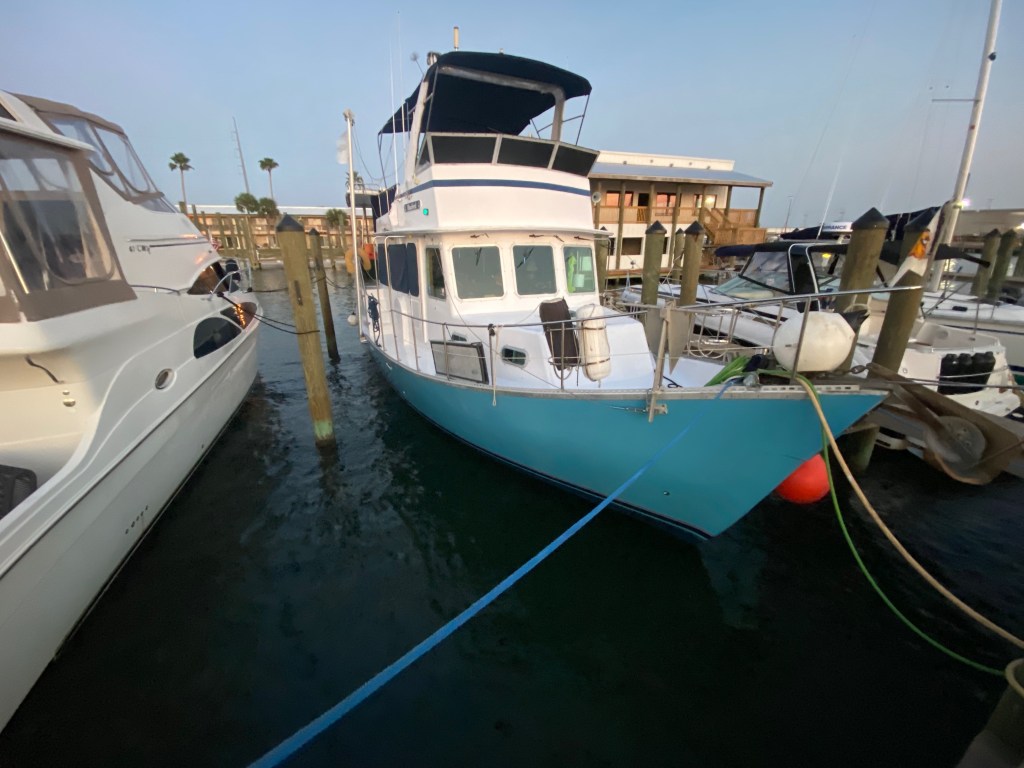
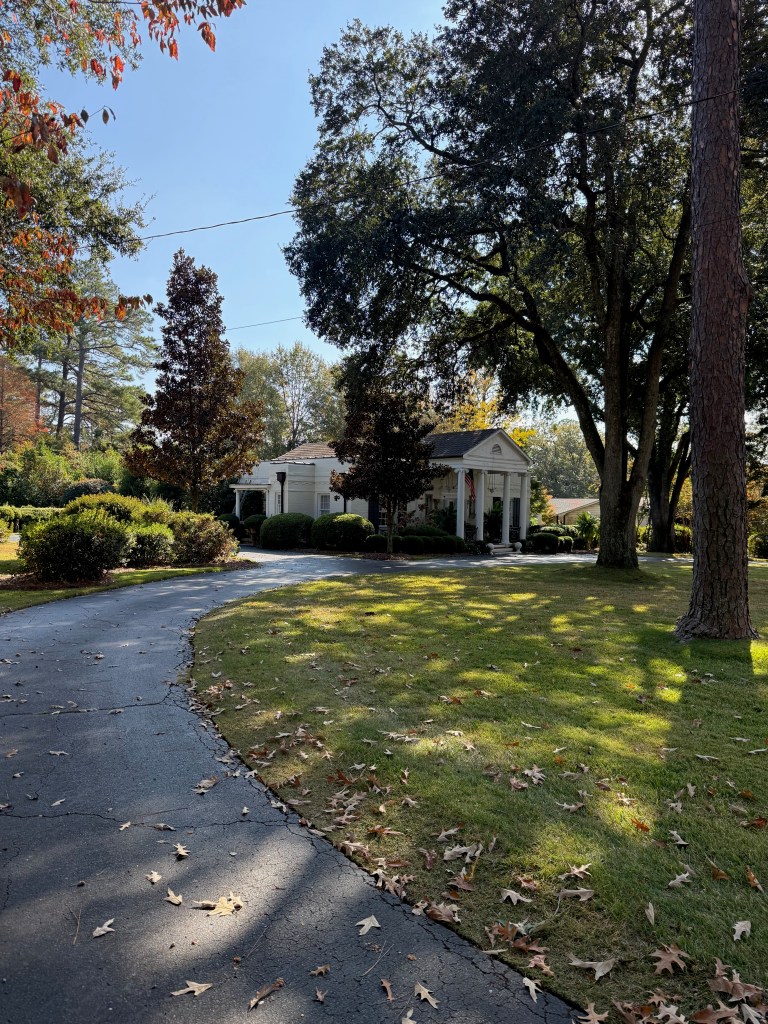
It was a nice run to Panama City as we began to anticipate our journey back to Baltimore for Thanksgiving. The way became more narrow as we made our way down a man-made canal to Panama City. There were some oddities along the way (a colony of concrete statues and a 20-foot framework globe) but the passage was easy. We left early, as is our cust0m, and arrived at a reasonable time to check in and make arrangements for picking up our rental car.
Hervey’s mother had grown up on Dothan, Alabama and had talked about summer vacations in Panama City and, as a young girl, fishing in the bayous with her physician father, Nicholas Bodie Cannady. It was interesting, and layered with unknown history, to travel in these places, looking for glimpse of the older, one-armed physician and his lovely young daughter in the creeks and byways.
These past few days, since Mobile and the rivers, were all that we loved about cruising on the Intracoastal Waterway. Yes, we both had built up an insidious fatigue deep in our bones that the proximity of home seemed to mask. We figured we could make it to St. Pete and complete our loop in just a few days, and part of us wanted to continue on and finish while the weather was favorable on the Gulf.
But we still had not shaken off the dreaded idea of the “schedule” and dutifully rented our car and headed north to Asheville and, eventually, Baltimore. Along the way, we stopped in Dothan, Alabama, searched the census records for 1940, and found the address of Hervey’s mother’s childhood home. It was a marvelous experience to crash into the home of the current resident on a Sunday morning and be met with such hospitality and enthusiasm. He remembered Hervey’s mother visiting 20 years previously when he had first purchased the home, and as they toured the house, told stories of that visit and the tears she shed of a life long past.
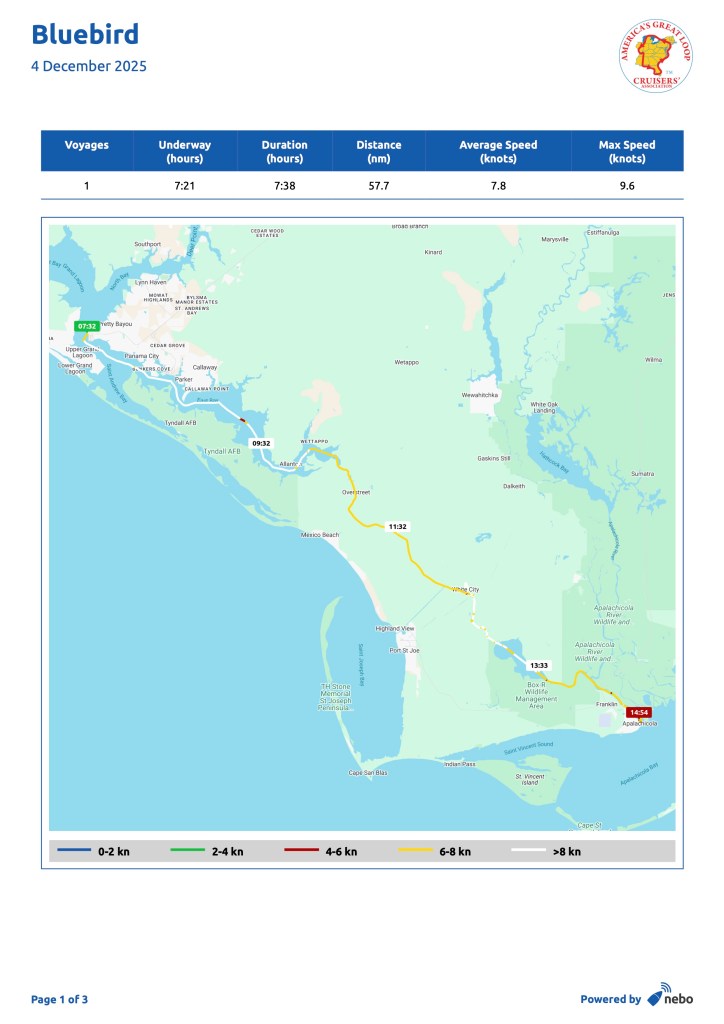
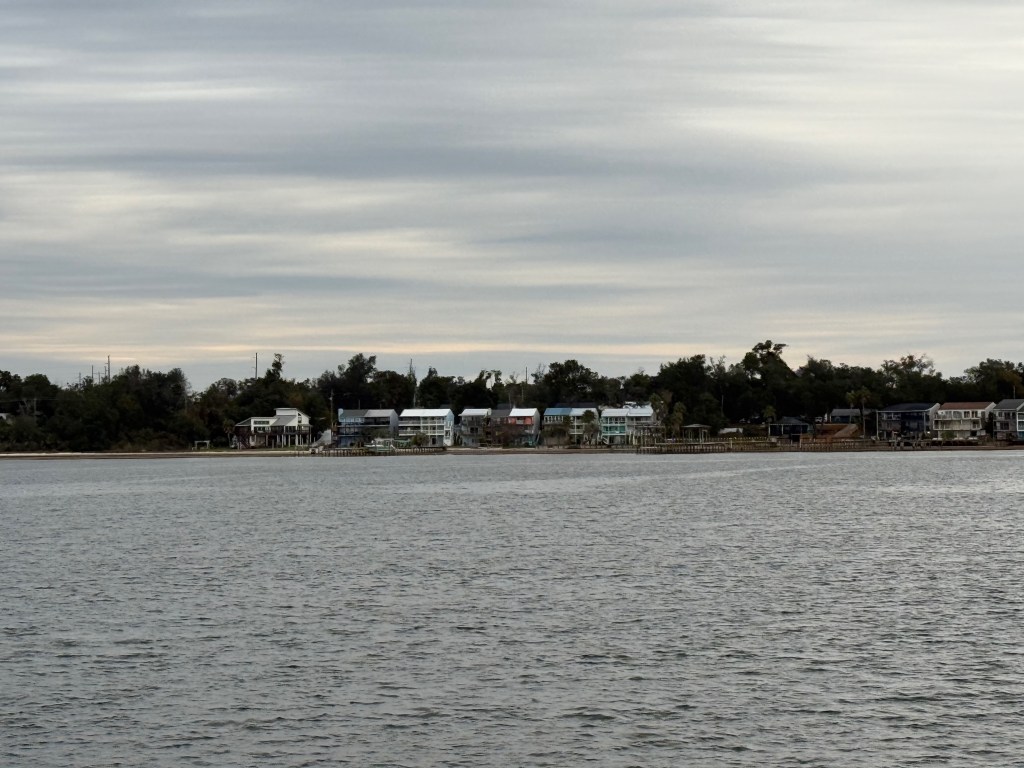
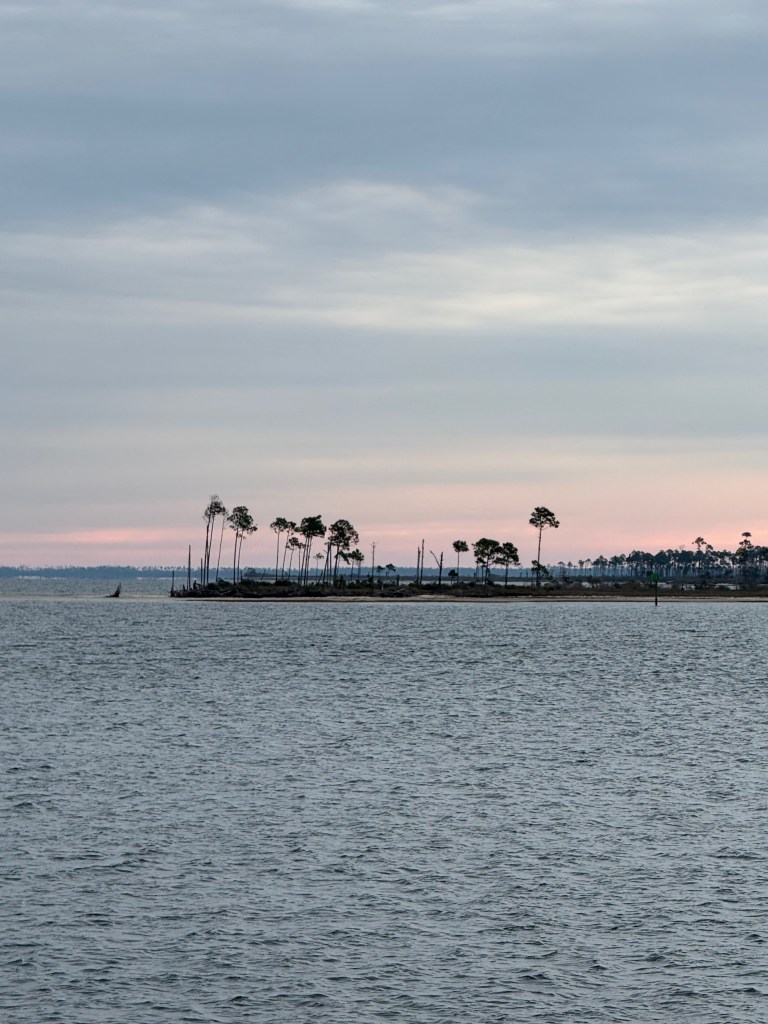
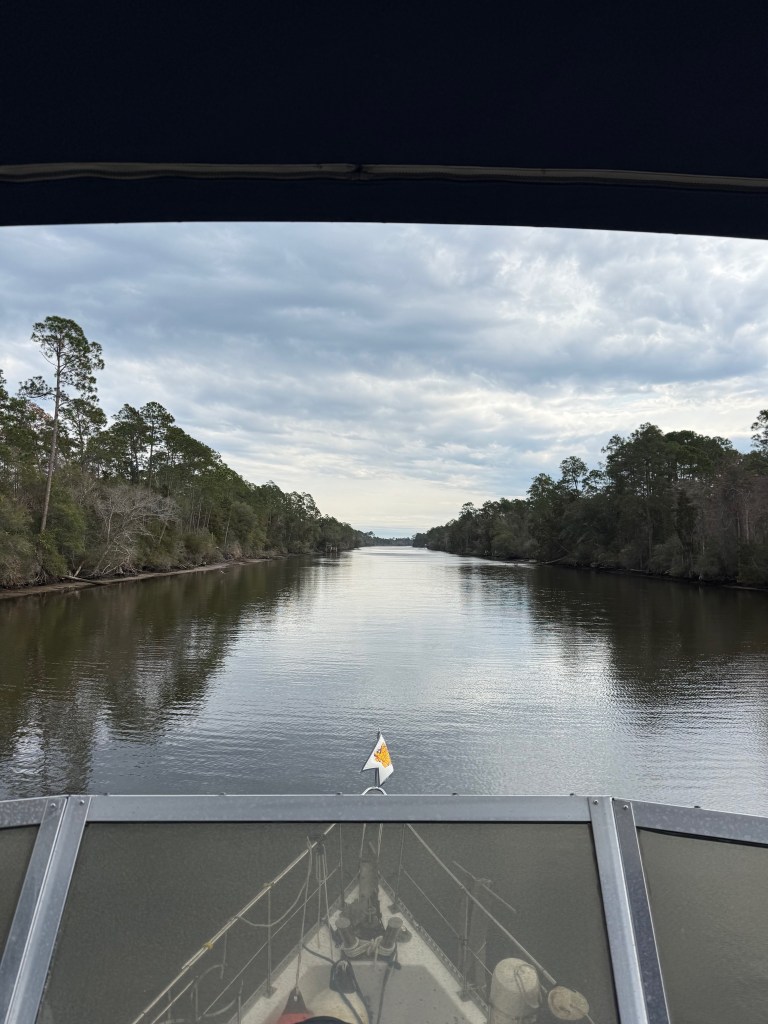
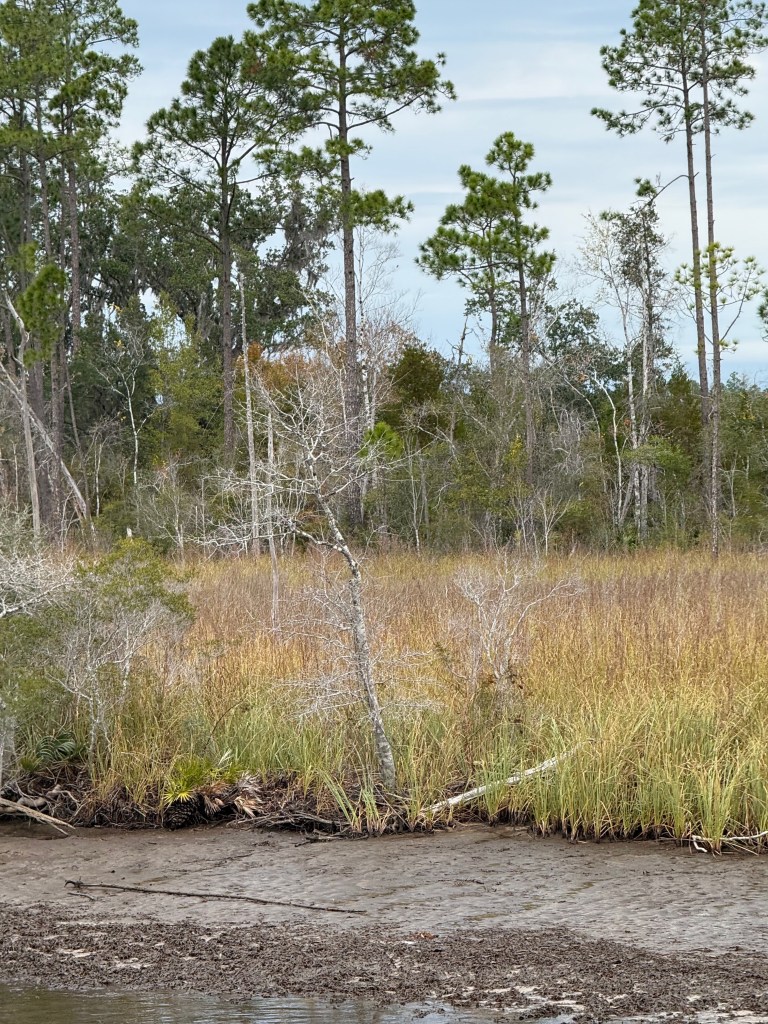
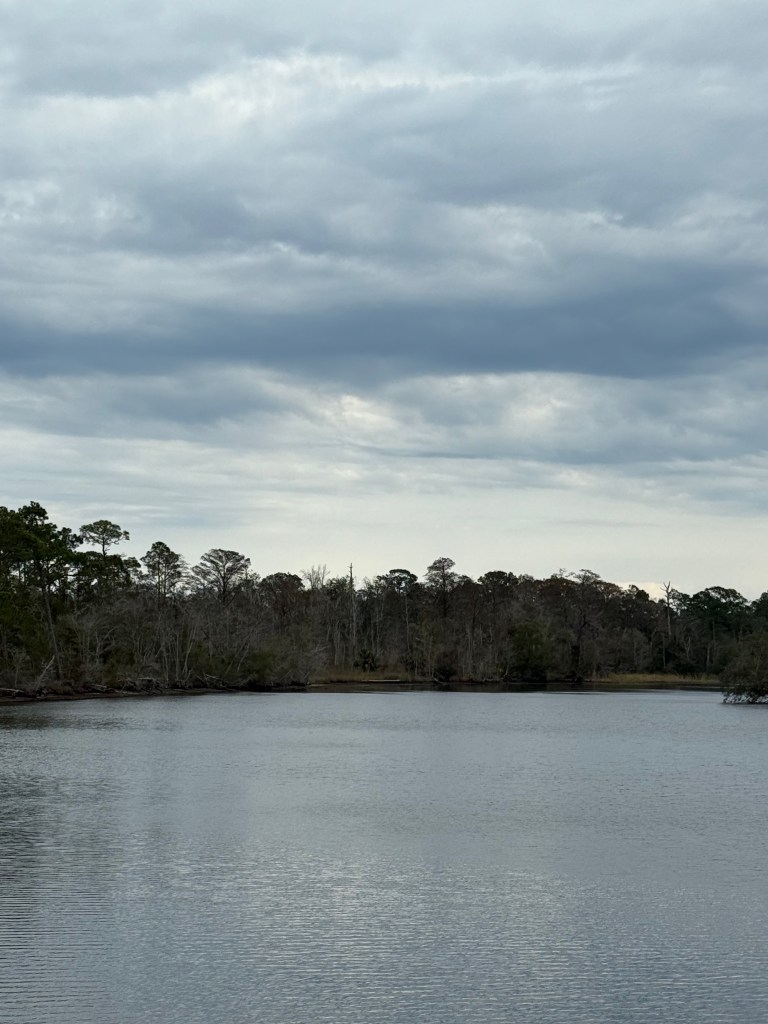
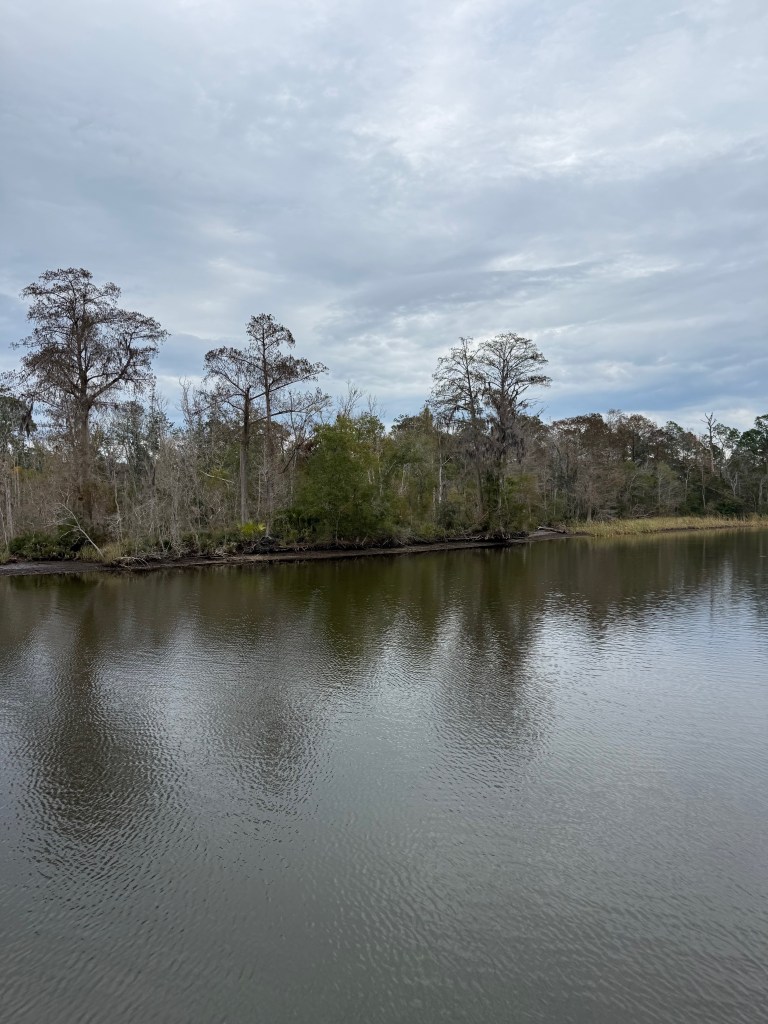
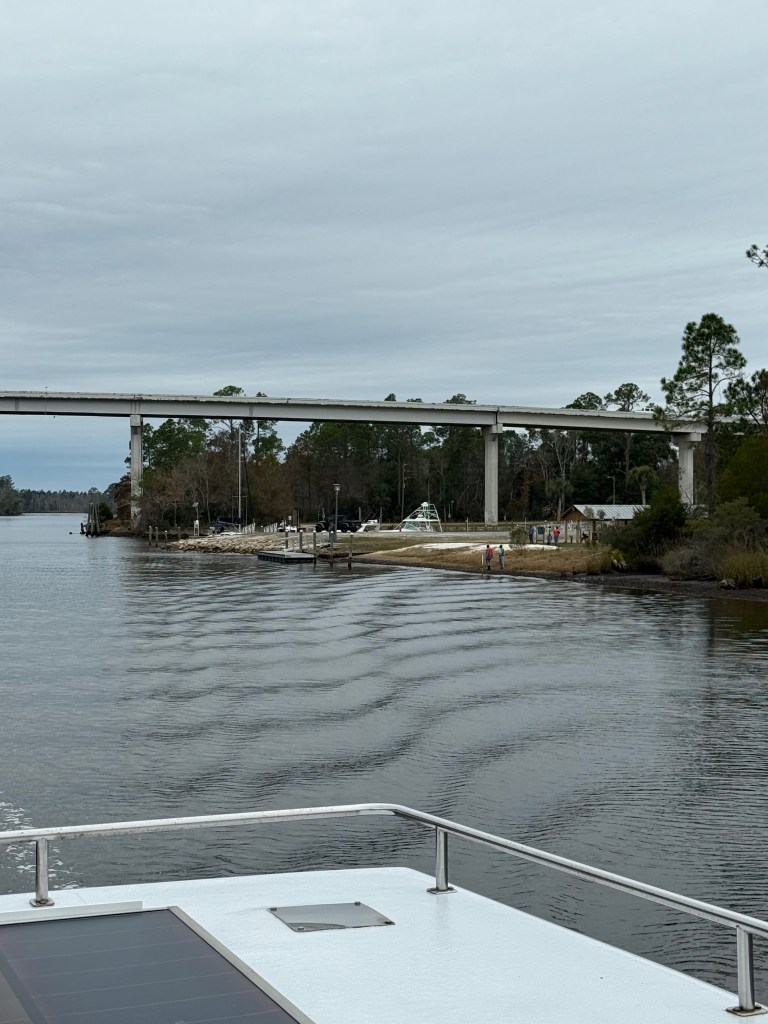
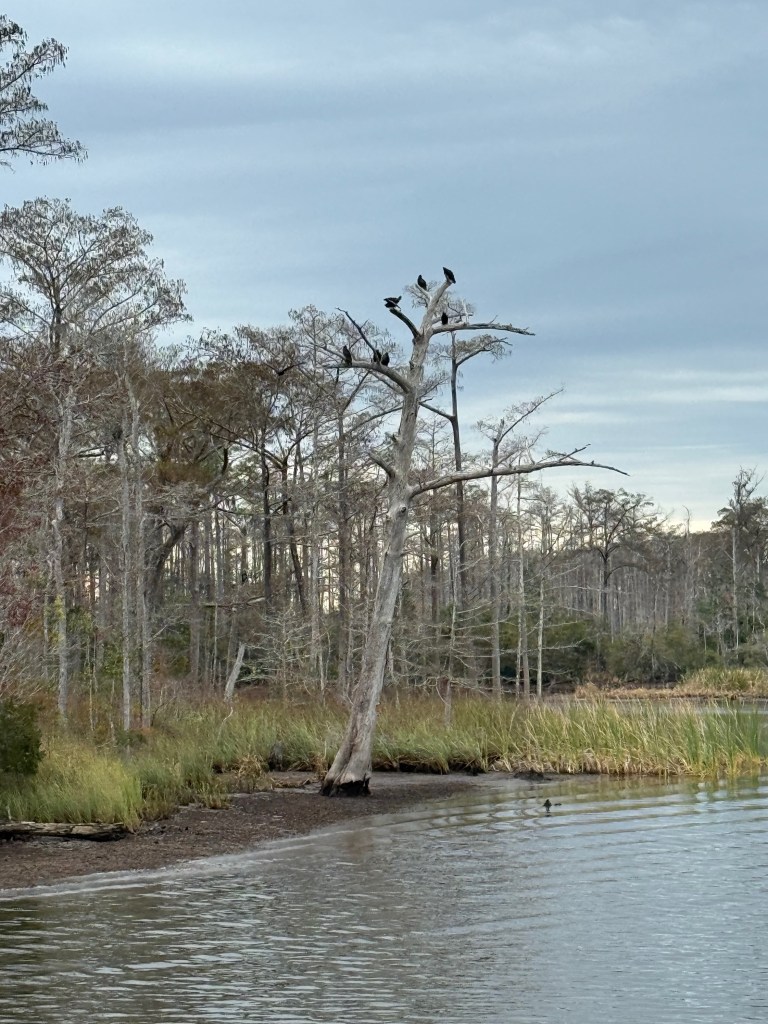
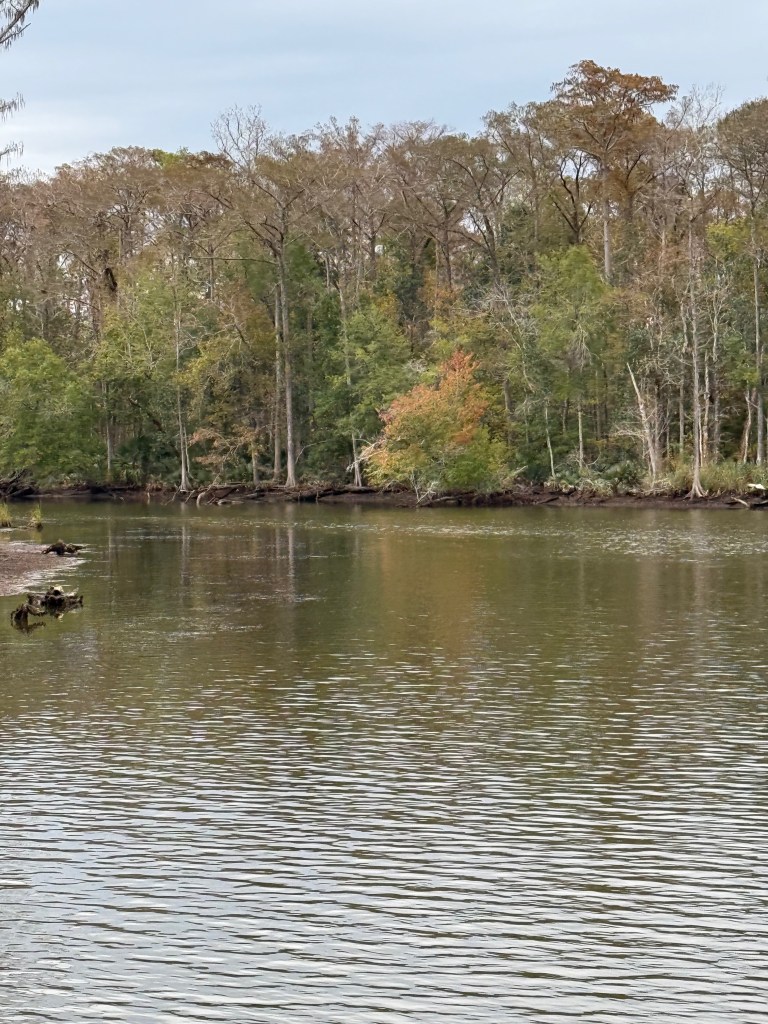
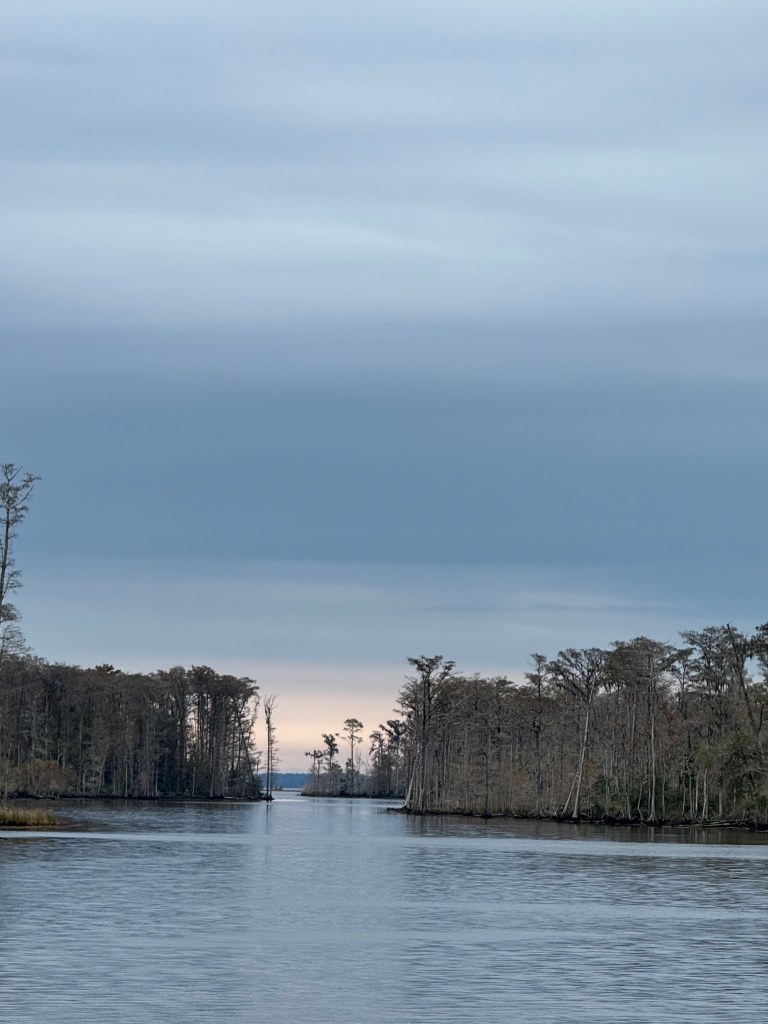
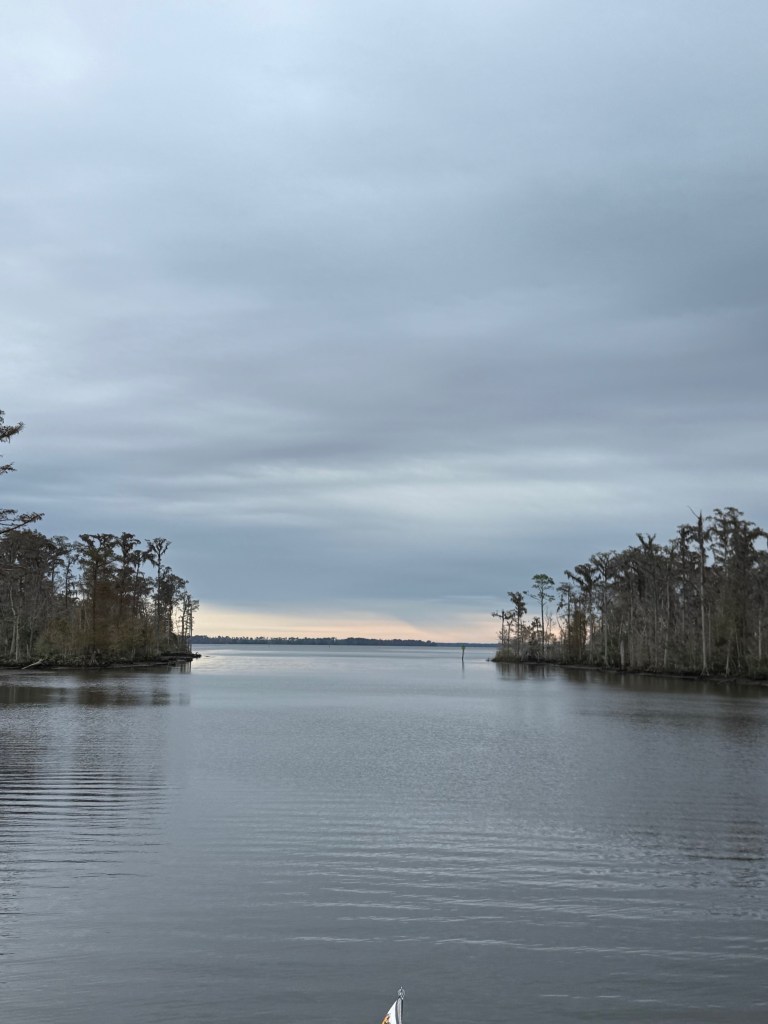
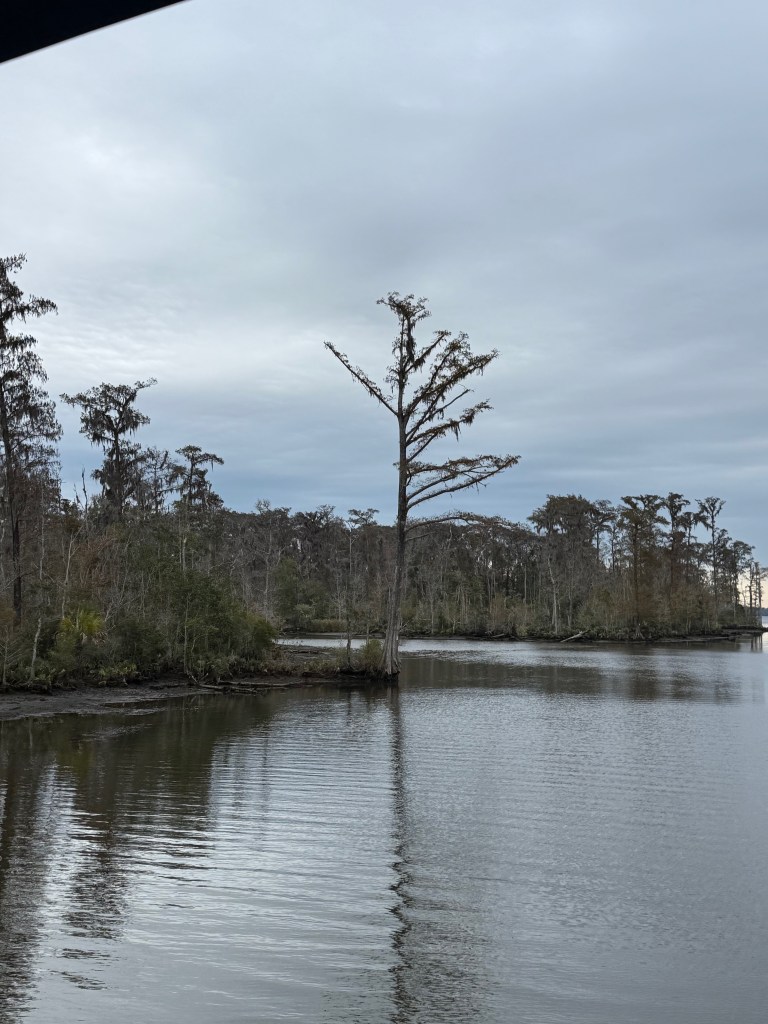
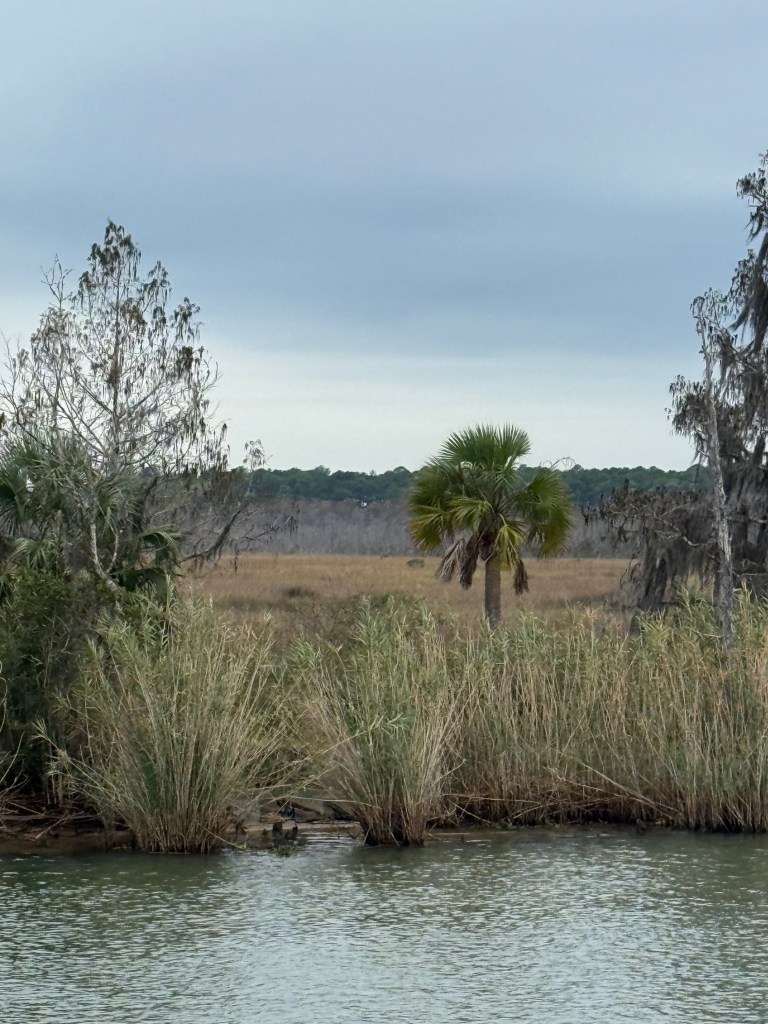
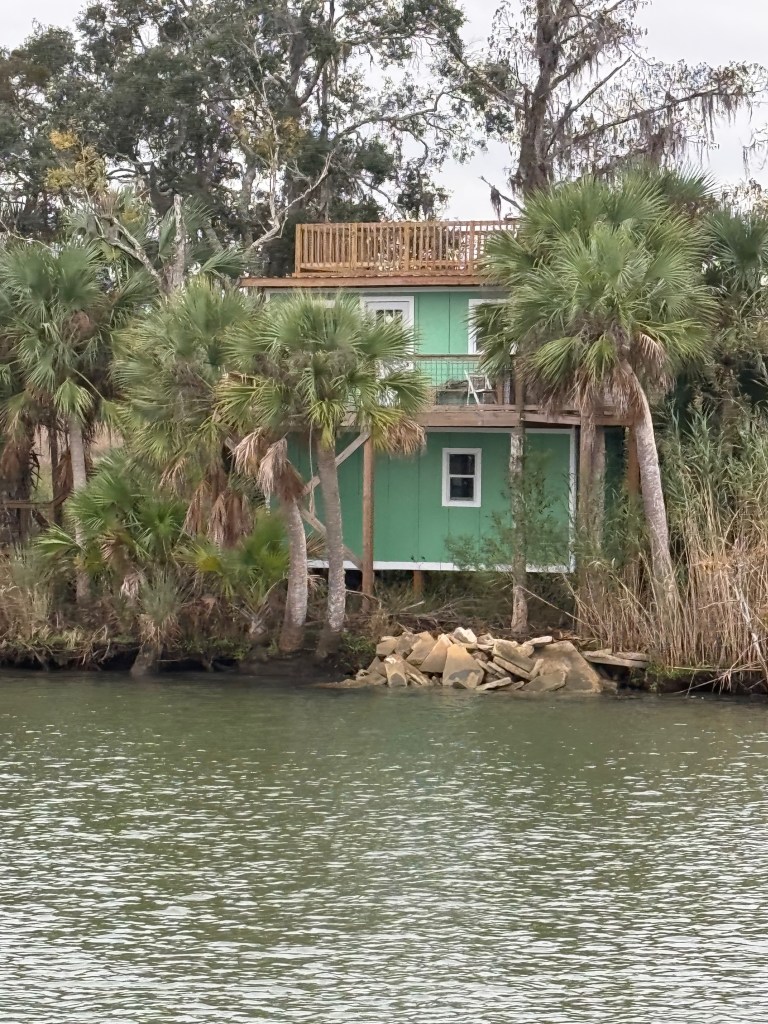
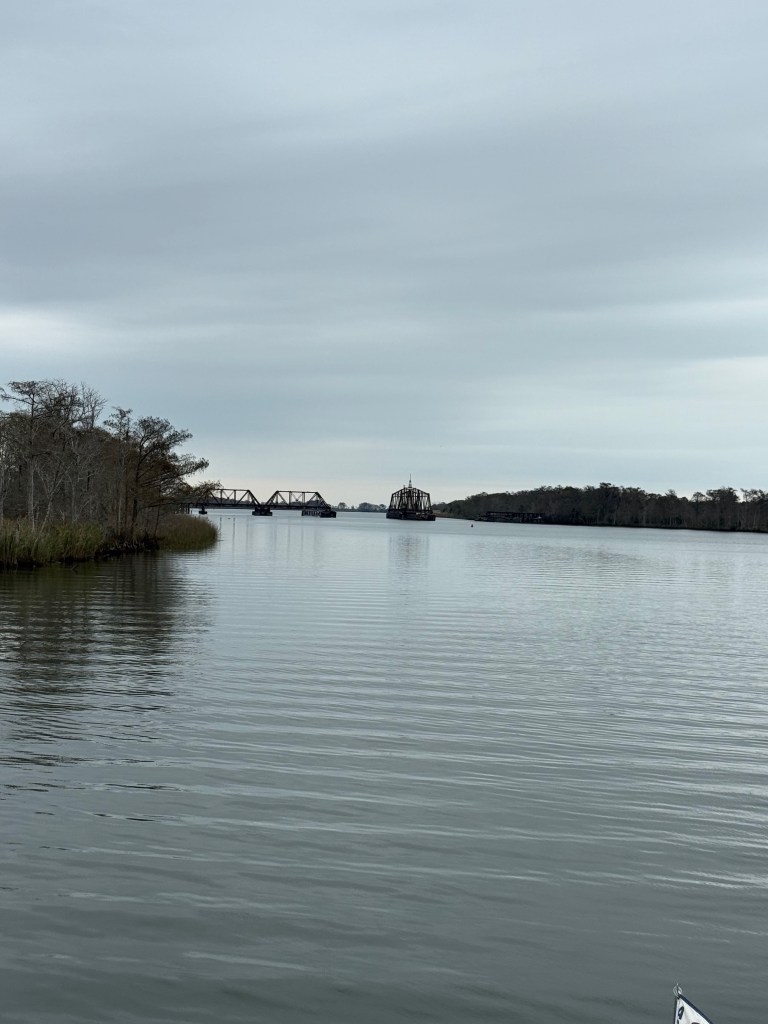
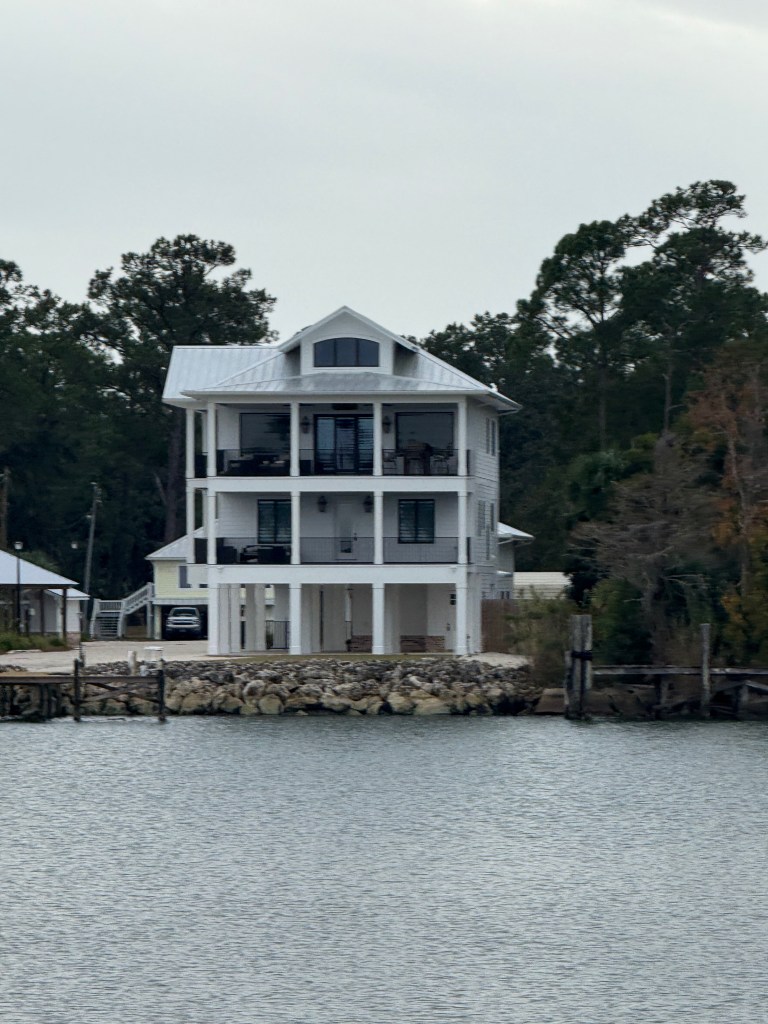

We returned to the boat in unsettled weather and re-provisioned for the remaining part of our journey. Departing at dawn again, we made our way down St Andrew’s Bay to turn north around the coastal communities and then south down the rivers to Apalachicola. These were southern waters for sure, with bald cypress and swamps, and the occasional sandy spit that would support a cabin or a vulnerable home. The waters were tinged by tannin drawn from the innumerable trees they had washed from their journey from Georgia to this part of coastal Florida.
We were glad to be back on the boat. The dingy davits had been giving us problems and the dingy itself had a slow leak that helped it capture rain, but we added that to our list of items to be corrected in St. Pete (generator, windlass, a mysterious leak on the stateroom, and now the dingy). The end felt very close: four to five days at most. We began to watch the weather and make our plans to cross the Gulf of Mexico;
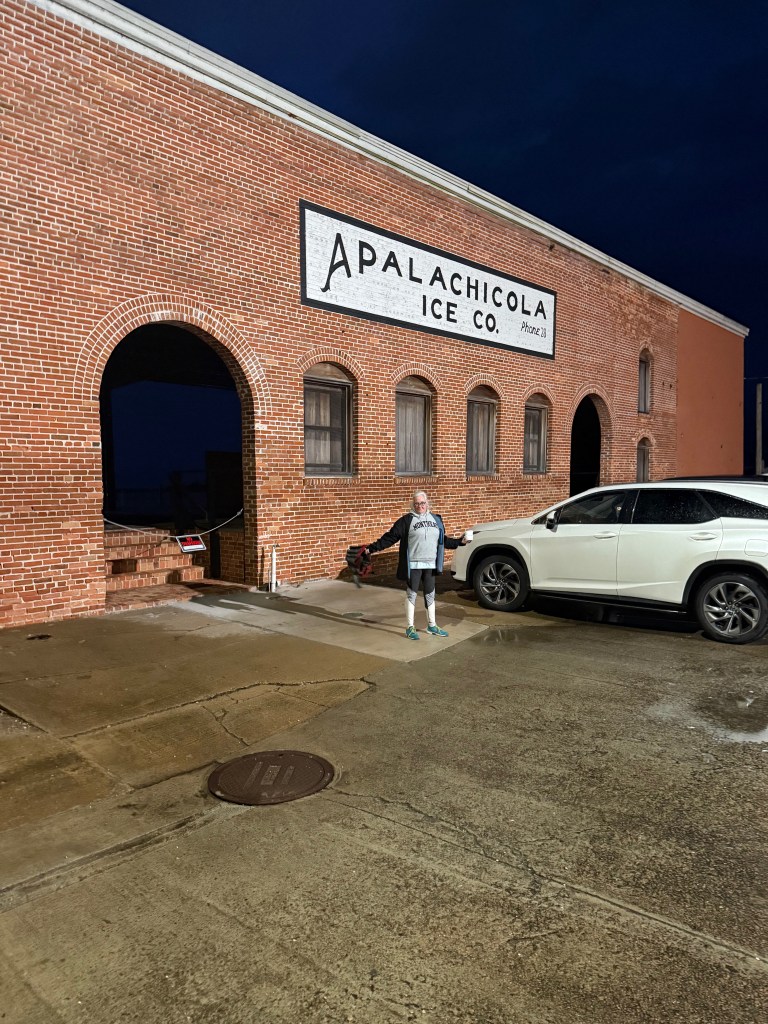
Apalachicola is the birthplace of modern air conditioning. Dr, John Gorrie, originally from Nevis in the Caribbean, invented mechanical refrigeration here in 1844 to help treat yellow fever. We had our own adventure the day after we arrived…
The bilge is the lowest part of the boat where any water that makes its way through the hull collects. There are two sump pumps, called bilge pumps, in that section of Bluebird, easily accessible and visible to us through the engine hatch. Imagine our surprise and alarm when we saw the water building up in the engine room, overwhelming the pumps! Hervey left the boat in search of assistance and walked ten minutes to a nearby marina where the mechanics grabbed a regular plug-in sump pump and some tools. Running back to the boat, we discovered that the main pump had failed and the secondary pump was plumbed so that it FILLED the boat rather than emptied it!. After an hour or so, the situation was corrected and the boat was not sinking anymore. We replaced the two bilge pumps and took deep breaths of relief. We weren’t going to sink today!
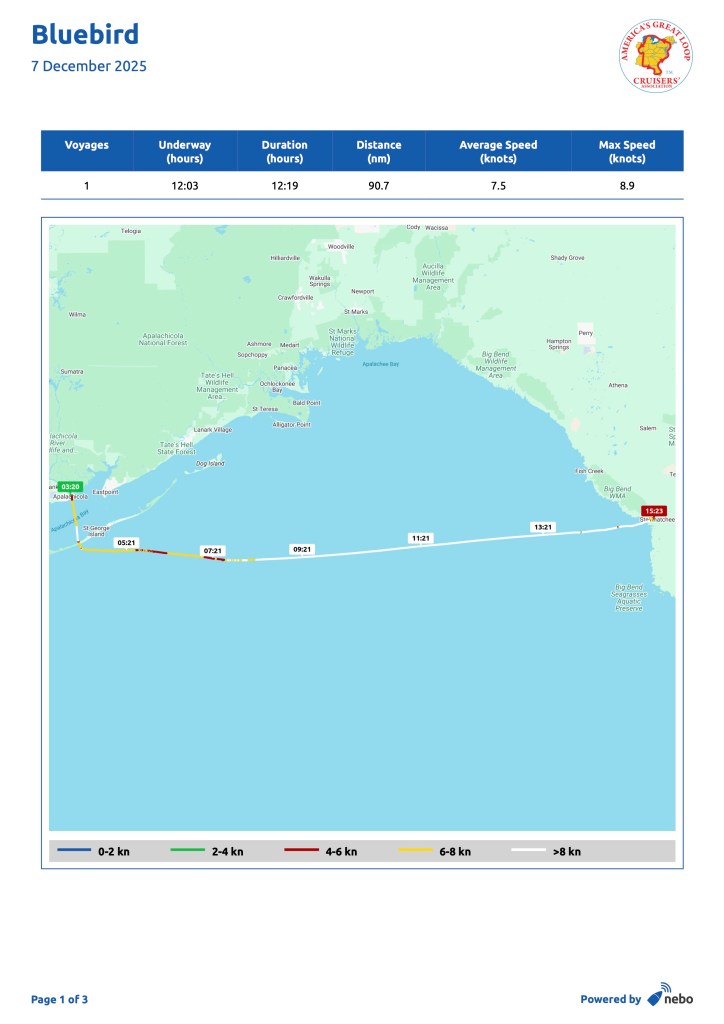
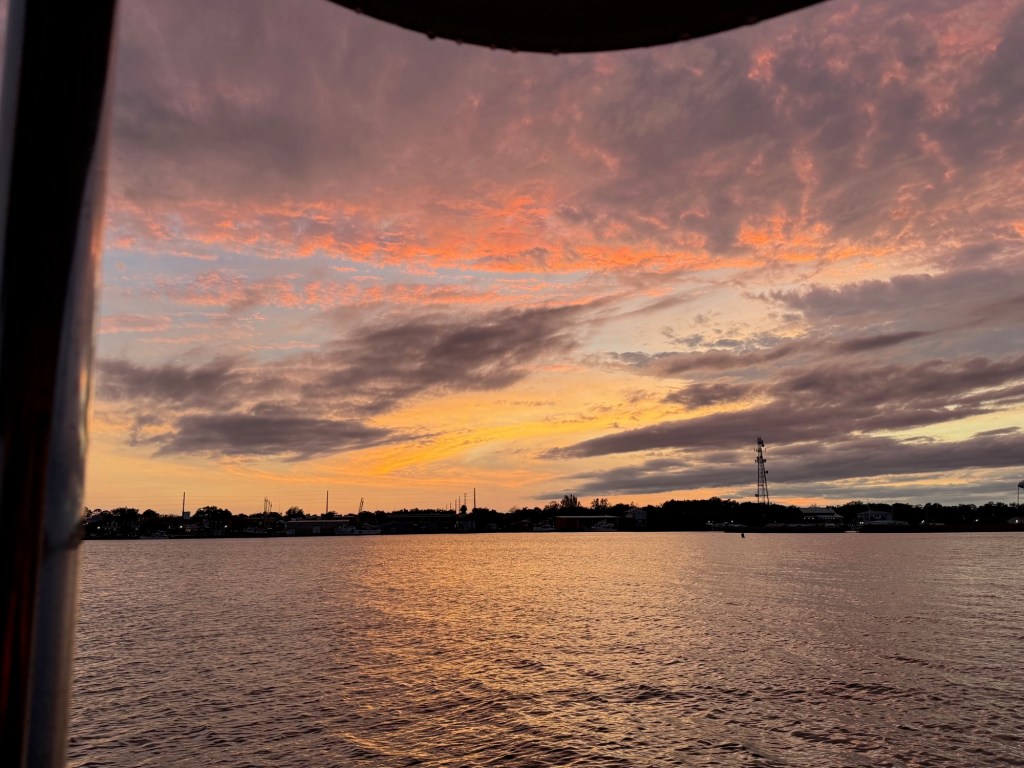
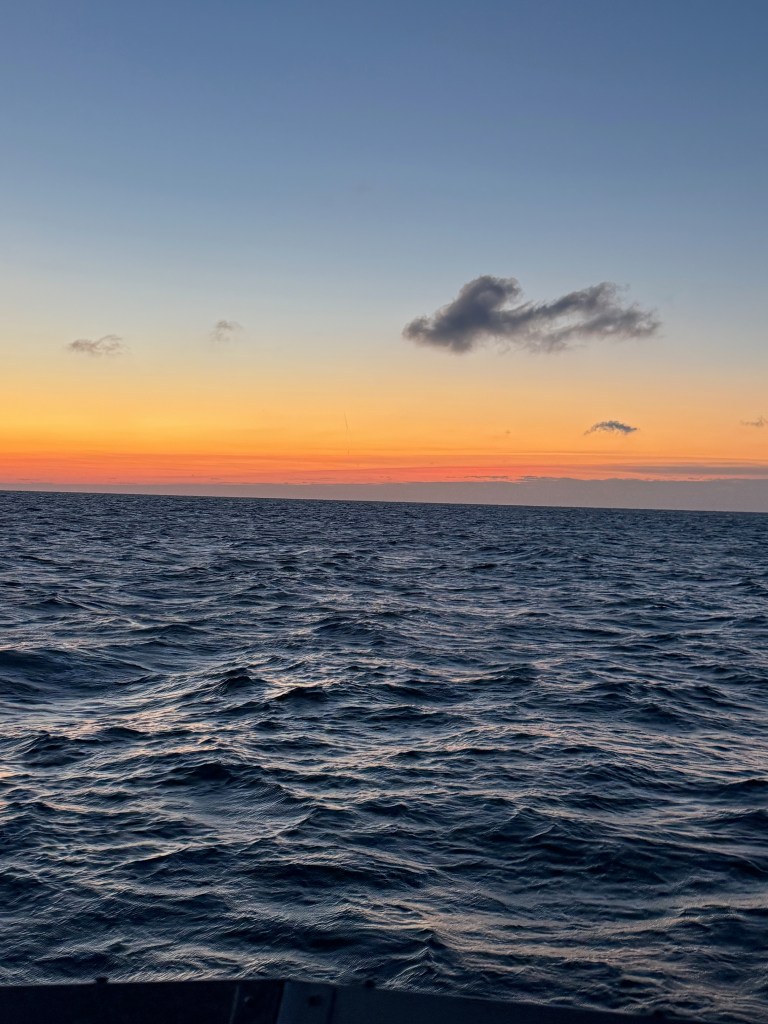
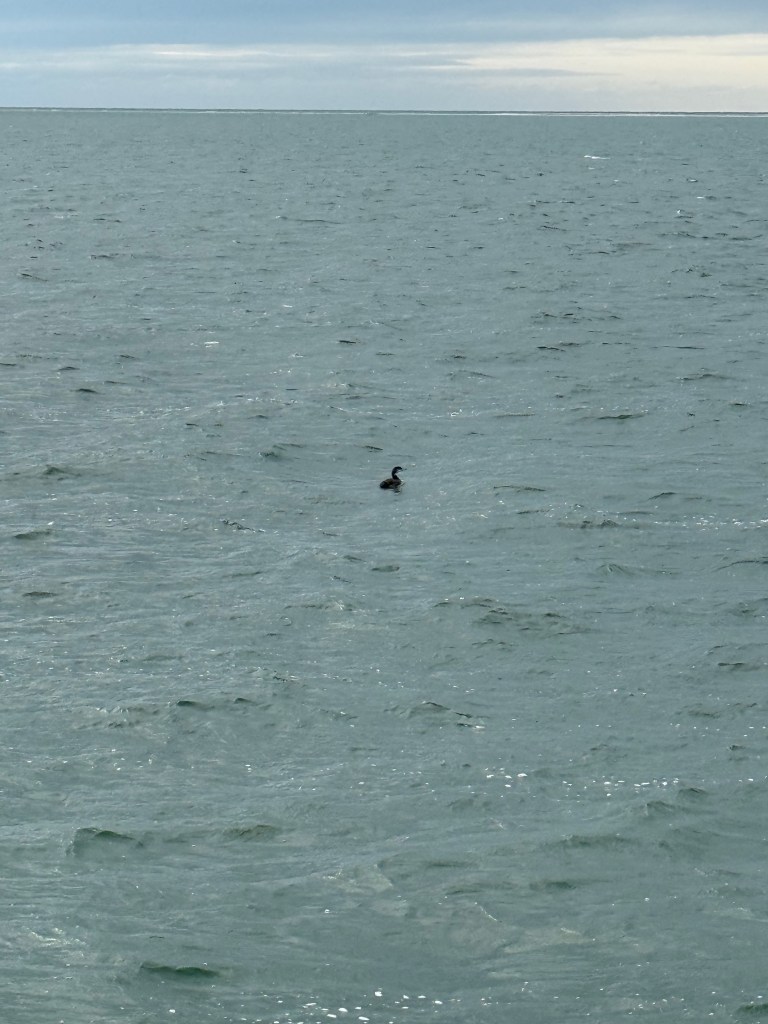
We decided to take the Big Bend route rather than the direct, overnight route directly to Tarpon Springs, Florida. After connecting with some fellow looped who became our buddy boats, we made our plans to go to Steinhatchee, Florida. We were leaving from Apalachicola but our buddy boats had set up further along the route at an anchorage off Dog Island, so we made our plans to travel together, if not in sight of each other. To make this work, we had to leave at 3:00 am to get close to them in case of an emergency.
The day started early and dark with no moon. We made our way out into the bay and through the Government Cut through St. George Island into the Gulf. Crab pots were around and we decided to not put out the stabilizing outriggers to avoid snagging them. The waves were sporty at first, coming on our port quarter from the north east as we traveled east to Steinhatchee. And they grew…
It became an uncomfortable ride. The engines never faltered as we traveled 90 nautical miles across open water with only radio companions for comfort.
At some point, the port arm of the dingy davits that hold the dingy out of the water began to fail and the dingy began to drag in the water. Hervey went to the aft deck and tied himself into the boat as he jerry rigged a rope to bring the dingy out of the water and drain it.
We were getting tired. The motion of the boat was frightening and unsettling but seasickness never appeared. And the engines kept going…
At about noon, we approached the lee of the land and the waves began to subside. One of our buddy boats had an engine problem and we finally met up with them about four miles from the entrance to the harbor. Sea Tow (the AAA of the coastal boating world) was on their way to tow them in.
We settled into Deadman’s Marina at Steinhatchee that afternoon and spent the next day rigging a better temporary solution for the dingy.
And we had our first celebration of our near completion of the Loop! Drinks in the bar with other Loopers and a sense that the end was just a day or two away.
But we still had to get to Tarpon Springs…
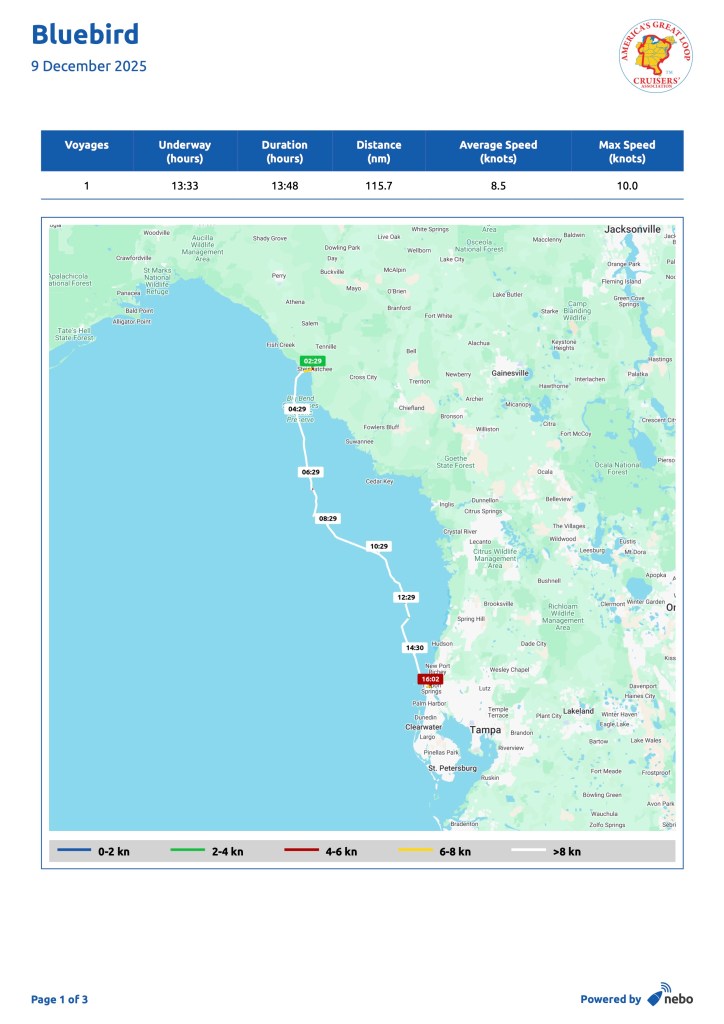
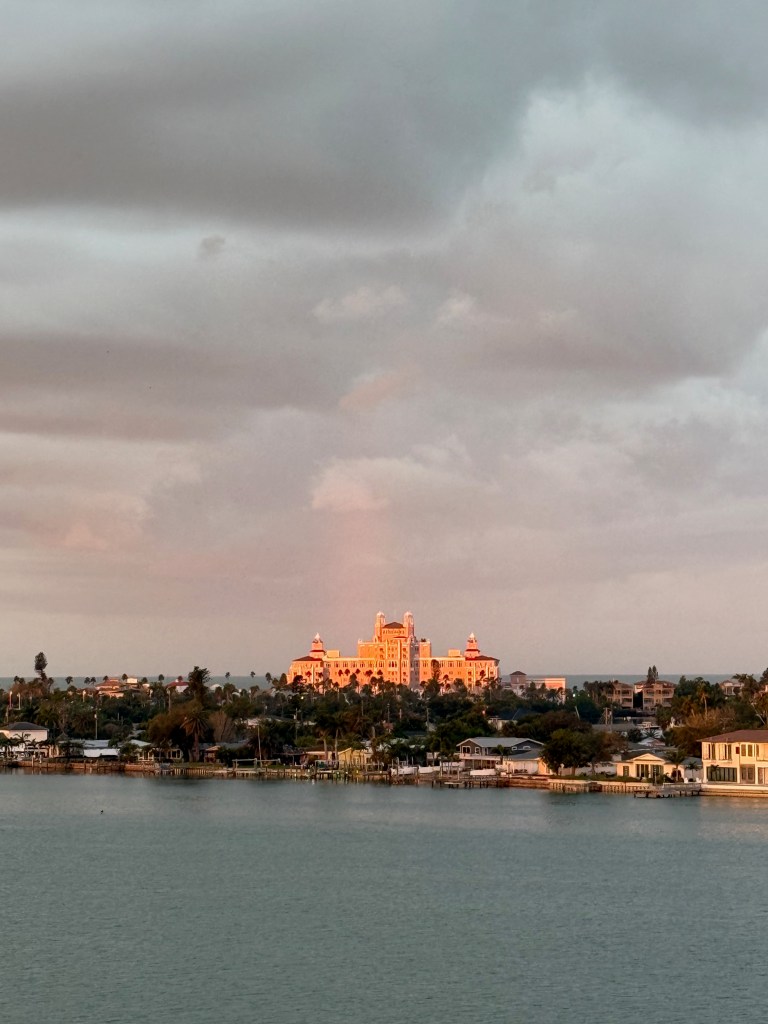
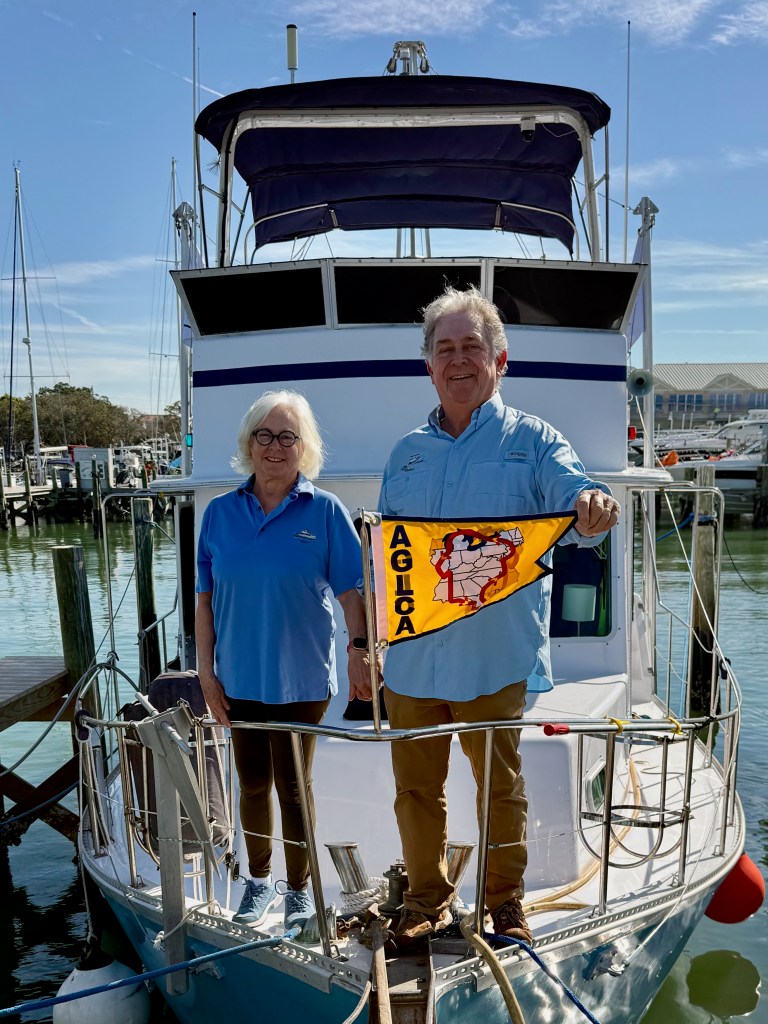
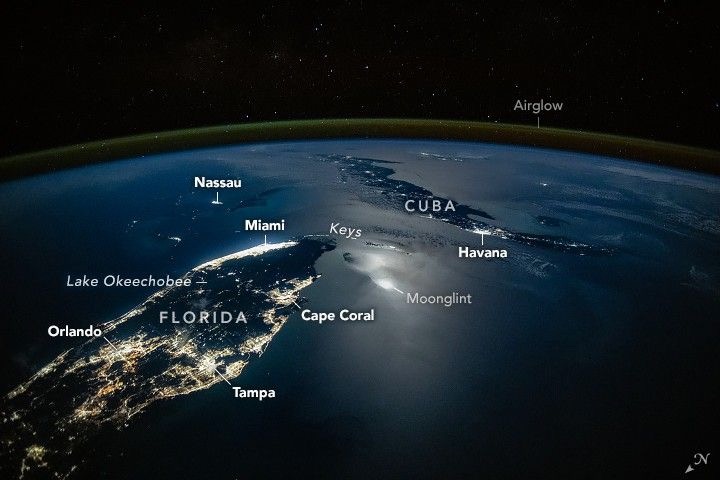
We saved the best for last! We had hoped to make the crossing to Tarpon Springs in two days, hugging the coast and the lee shore and stopping at Cedar Key or Crystal River for the night. But all the marinas were full and we were not able to anchor out. We were tired and ready for a respite. But this meant that we had to make a run in one day (yes, we could have —should have— waited a day or two…) And that meant leaving at 2:00 am to make it to the marina at Tarpon Springs before it closed at 4:00 pm
It was a 115 nautical mile run, our longest ever. And it took nearly 14 hours to complete. The plan was to stay in the lee shore of the north east winds, skirt Cedar Key, and make our way to Tarpon Springs before the marina closed. That plan worked…mostly.
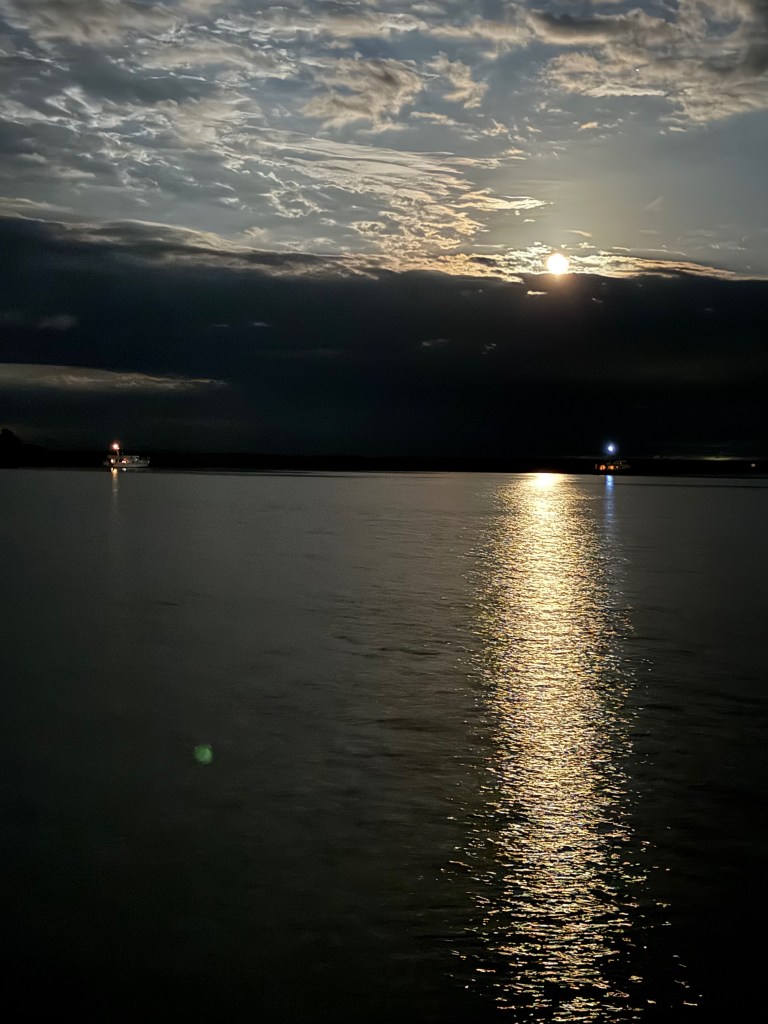
The weather looked good as we left Deadman’s Marina in Steinhatchee at 2:20 am. We had gone to bed early and had slept well. The moon was up and the sky was clear and the waves seemed to be calmer than two days previously. We had to keep a watch for crab pots but the path was clear and dawn was only five hours away. We were going 8.5 knots (nautical miles per hour) and everything seemed under control.
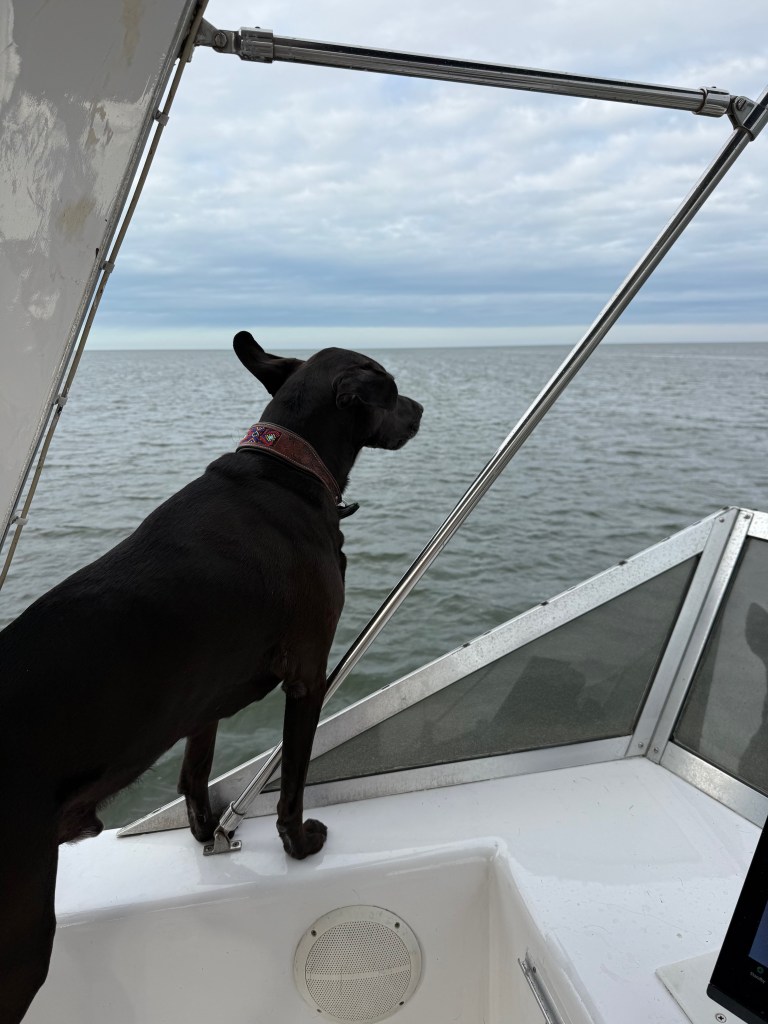
But the waves began to build and the direction of them meant that, in order to avoid taking the waves from the side (on the beam) we had to go further our into the Gulf than planned. And that meant that the wave had more room (fetch) to build and get higher. We realized the problem around dawn when we saw how far from Cedar Key we had gotten and tried to turn back into the waves to reach the lee shore once again. But the waves were too powerful and Bluebird was slamming down as we climbed up each set of wave. We think they we six feet at this stage, with some even larger on occasion.
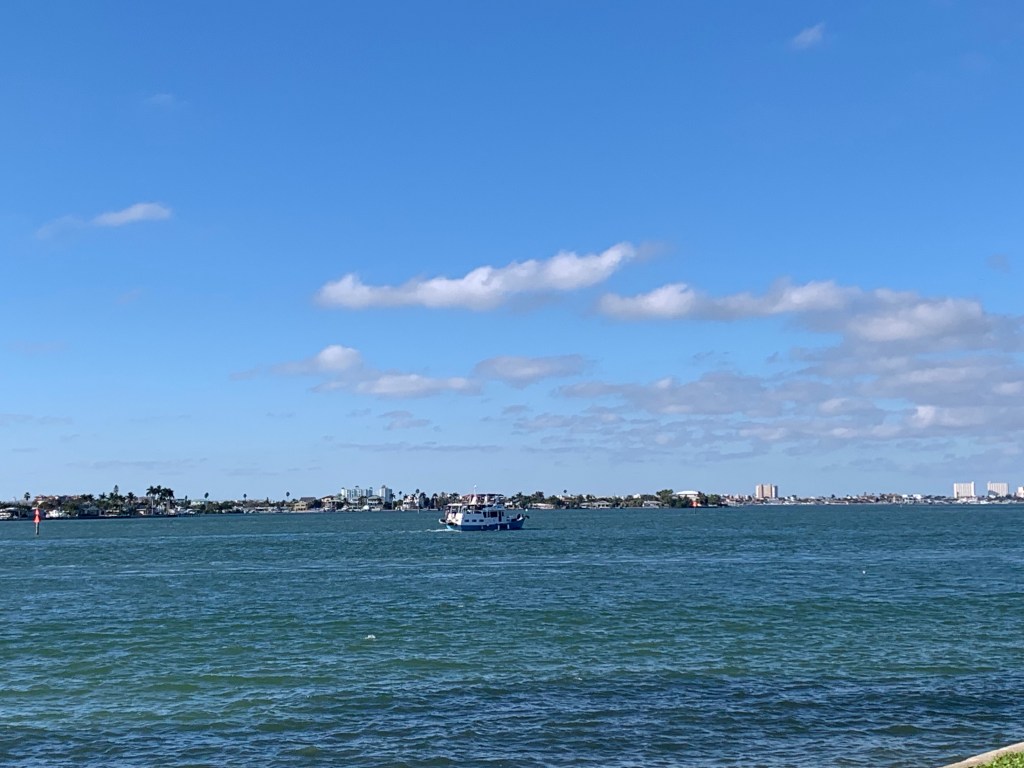
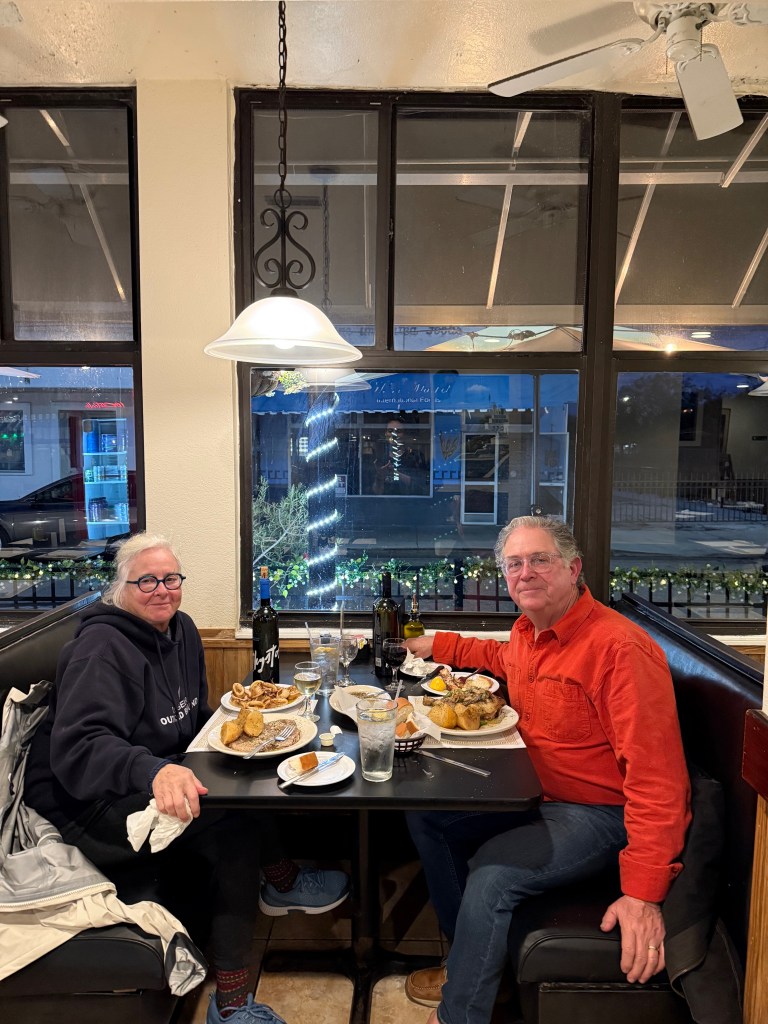
That experiment lasted only briefly and we changed the angle of approach to head for Crystal River and Tarpon Springs. Things settled down after that and from 8:30 to 10:30 we held on. At around 10:30, the waves began to subside and we took stock of the damage. Our two security cameras were gone and the cabin was strewn with gear than had not be secured. By 12:30 the waves were calm (as we had hoped at the start of the day) and we had a lovely trip into the harbor at Tarpon Springs. Since we had been here before on an excursion two years before, we felt the closing of the loop. And we had a quiet celebratory dinner at Costa’s in Tarpon Springs, exchanging some gifts we had gathered for that significant moment.
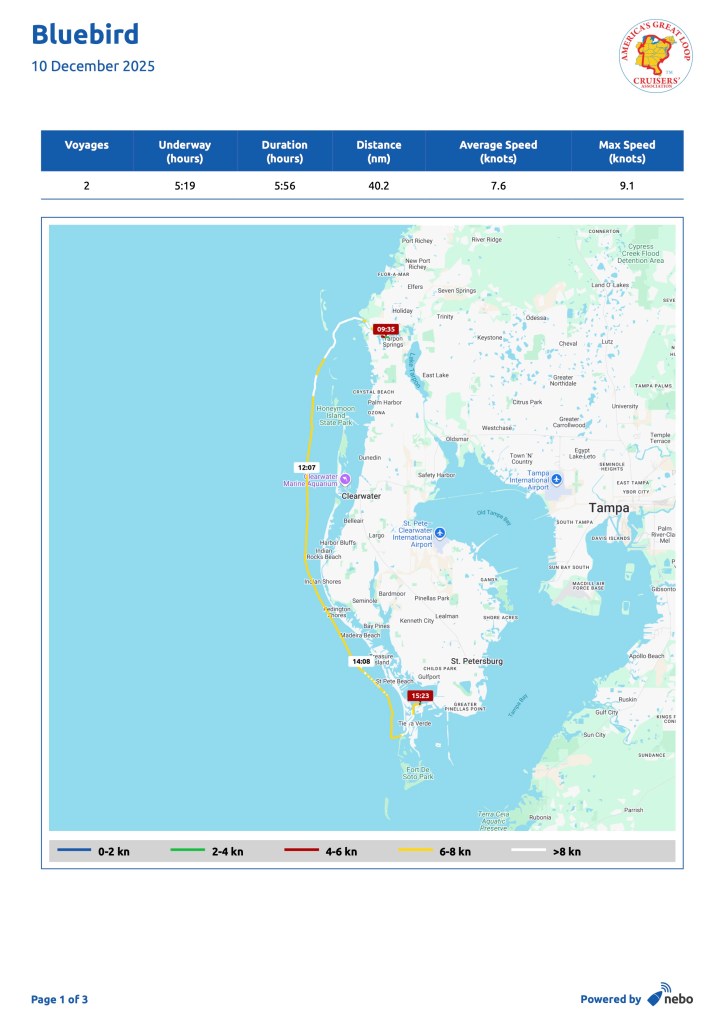
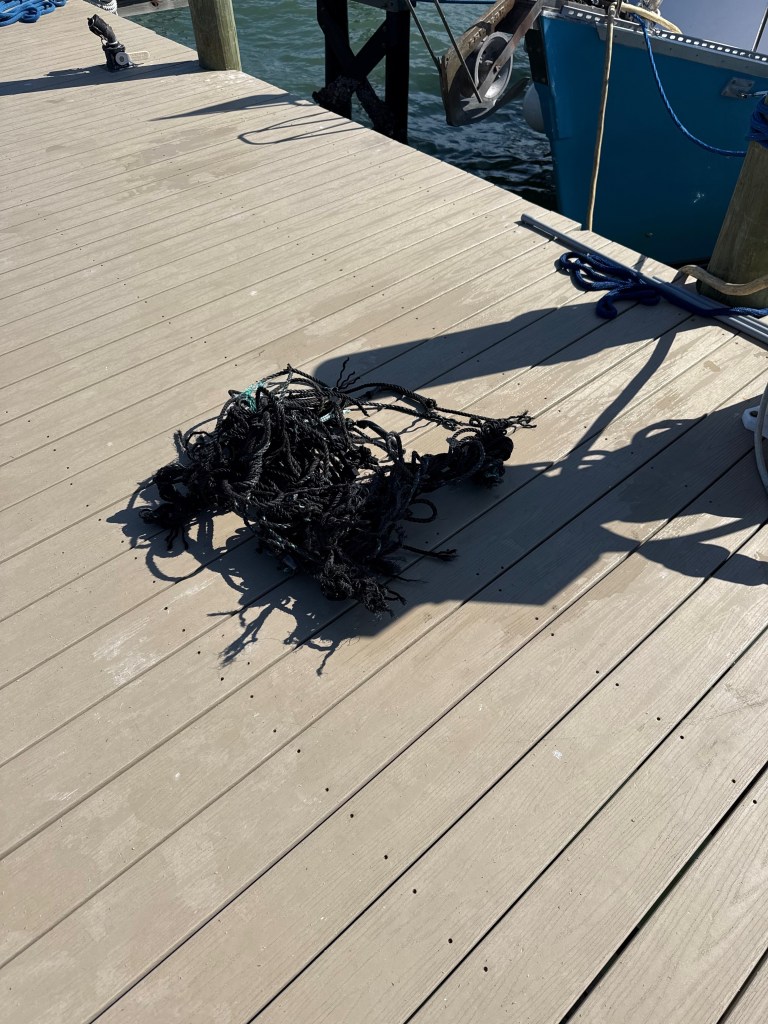
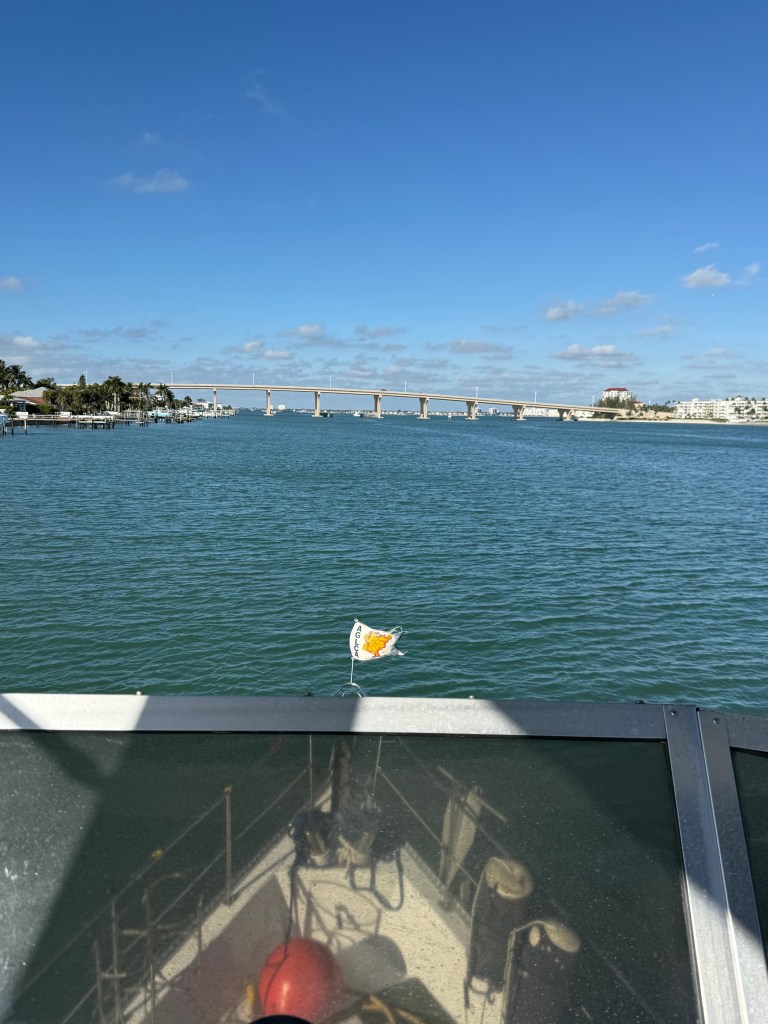
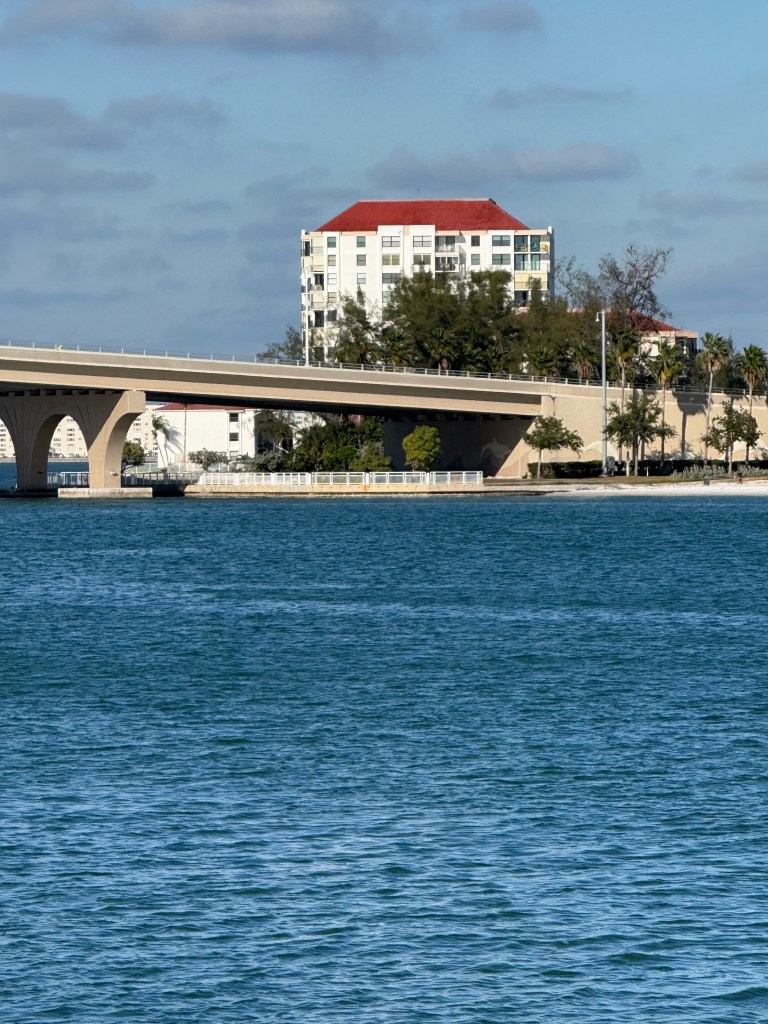
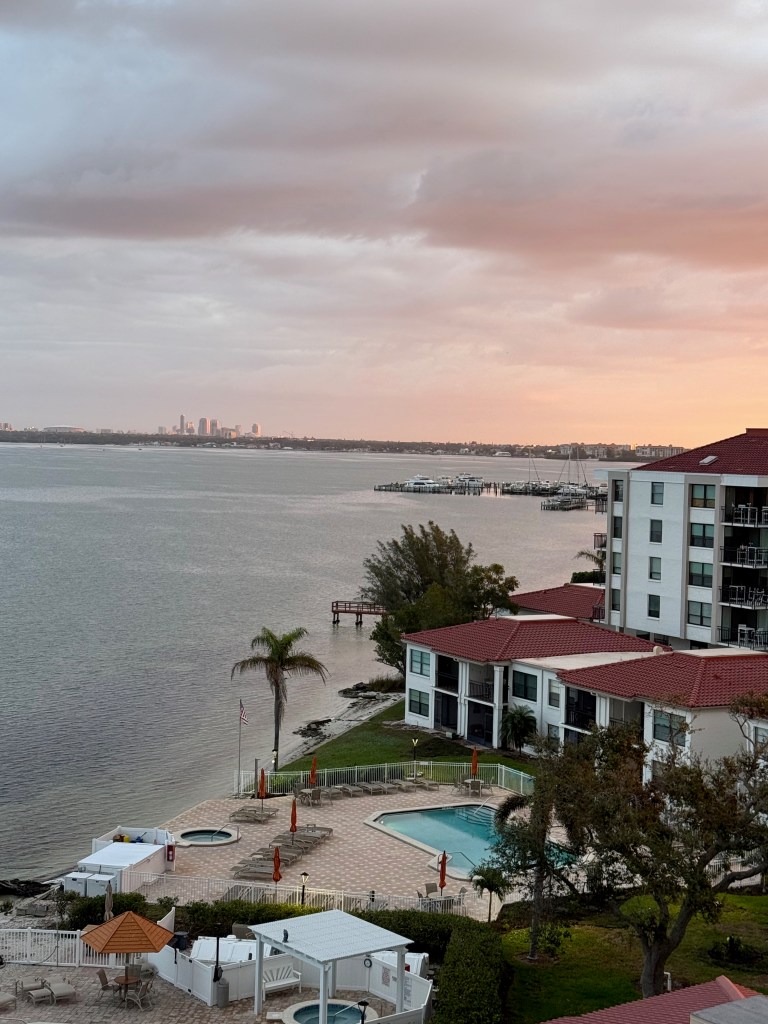
The next day, we left Tarpon Springs and made the 45 mile run to our home port in St, Petersburg. Along the way, we finally picked up a crab pot, shaking off the hardware and only bringing home about a bushel of line wrapped around our port shaft. It slowed us down about 1 knot but could not dampen our excitement at arriving home after 5,500 miles and ten months of travel.
We are very proud of each other. We made mistakes and were called to some heroic action, some of it necessary and some of it the result of inexperience and questionable judgement. But we persisted and tested our limits — finding that we were capable of much more than we ever imagined.

 Bluebird's Great Loop Diaries
Leave a comment